
Joanna Macy and the Psychology of Looking Away
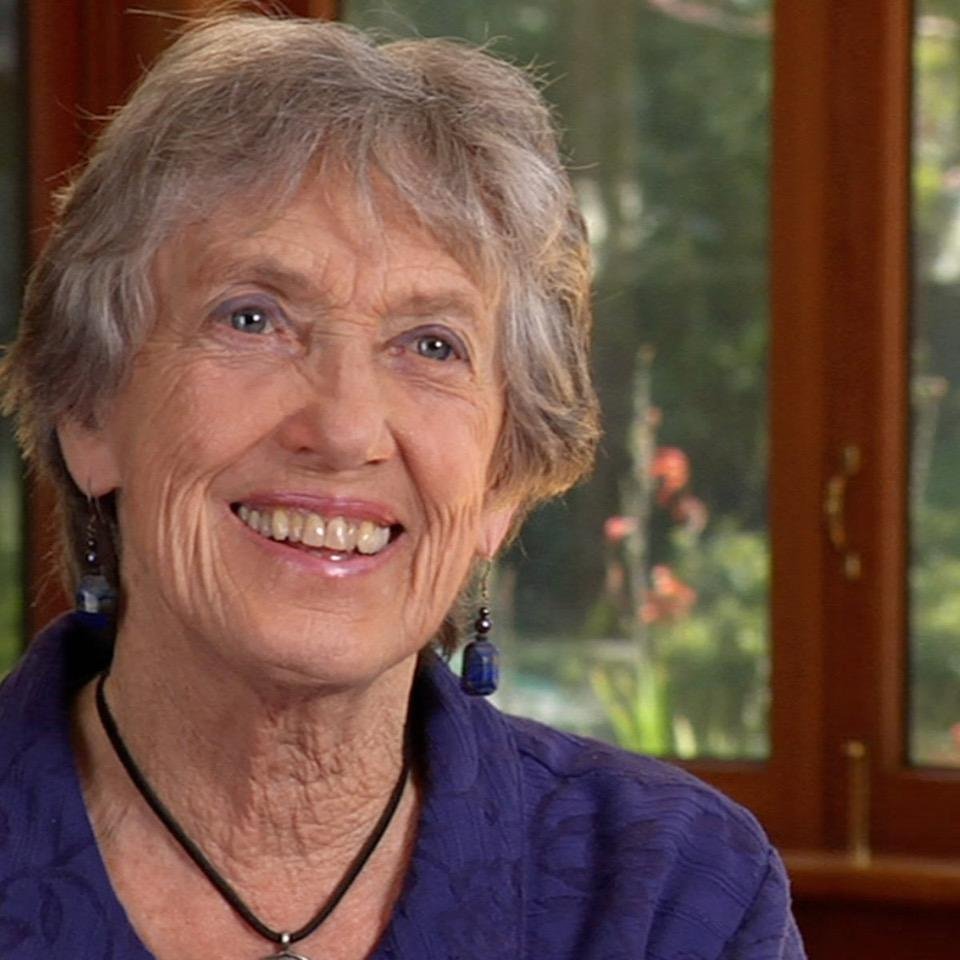
This post is a tribute to Joanna Macy, who spent her life thinking about a simple but uncomfortable question:
What happens when the world asks us to carry more suffering than we feel able to handle?
Her work took shape during the Cold War, when nuclear war stopped being a distant fear and became a real political possibility.
Macy noticed something counterintuitive.
As the danger grew, people didn’t become more engaged.
They became quieter. More distant. More numb.
We can relate this realization to psychic numbing: the way we pull back from information, emotion, and responsibility when reality becomes too much.
In this video, she explains how alarm-driven messaging around environmental and political issues can overwhelm people and push them toward emotional shutdown instead of action.
What’s interesting is how she responded. Macy didn’t try to shock people with more data or bigger warnings. Instead, she brought people together. She created spaces where fear, grief, anger, and despair could be named out loud, in company.
In this video, Macy explains how talking openly about what we’re feeling — including despair — helps us feel more connected to the planet, to our actions, and to one another. Naming it together is often what allows us to move beyond it.
Something changed when that happened.
When emotions were shared, they felt more manageable.
When distress wasn’t private anymore, responsibility felt less paralyzing.
Macy also didn’t place much faith in optimism. She talked instead about active hope: choosing to act without guarantees, grounded in commitment to life, community, and each other.
Joanna Macy passed away a few days ago at the age of 96.
Her ideas still resonate in a world shaped by climate disruption, mass violence, and constant crisis. Psychic numbing didn’t disappear after the Cold War. It just changed form.