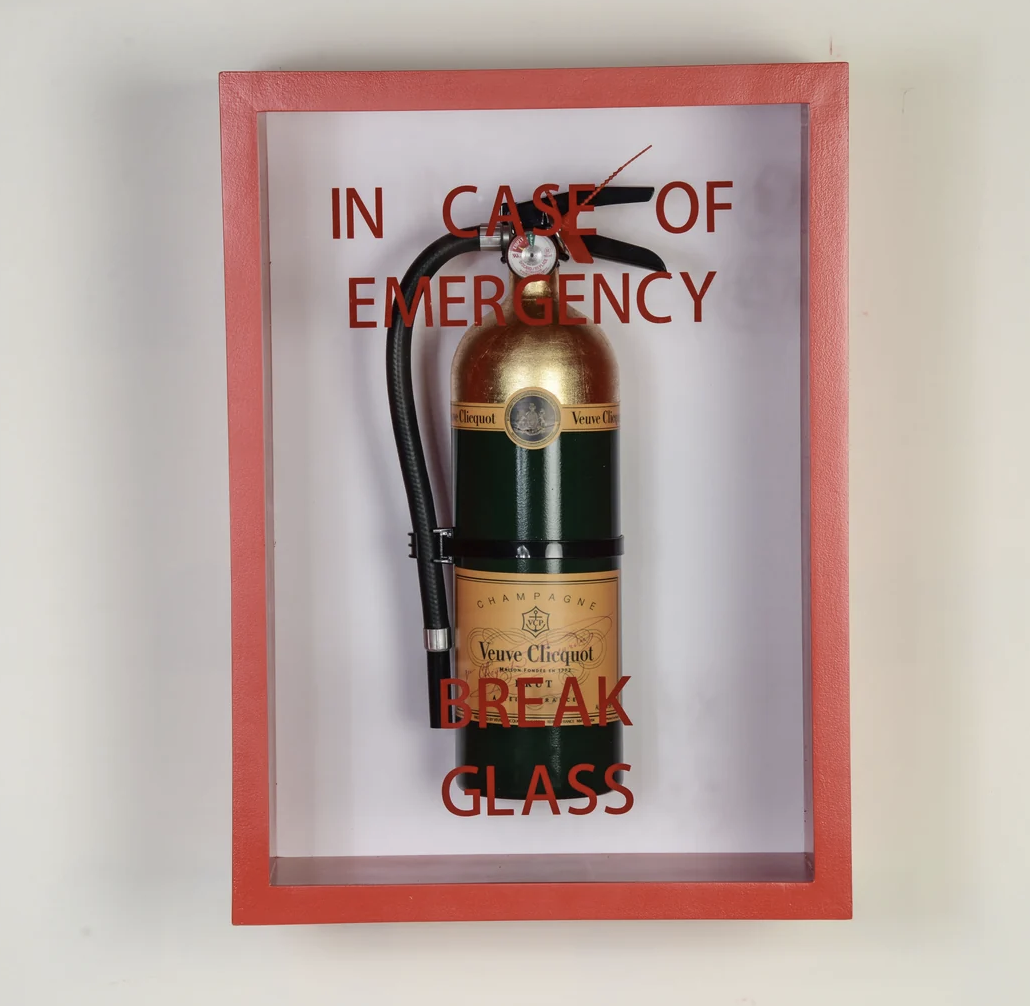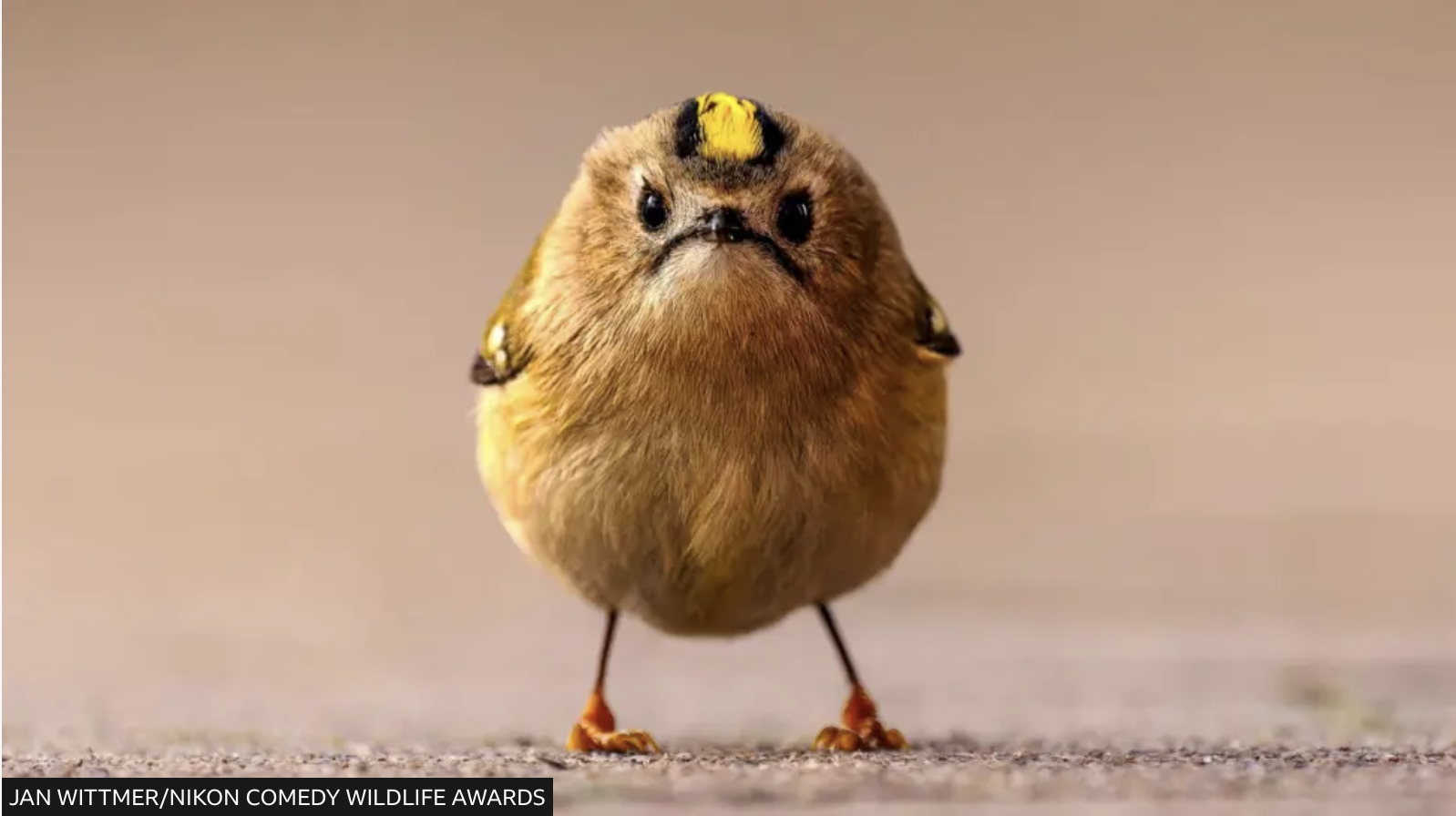
What happens when animals seem to express emotions we recognize? The 2026 Nikon Comedy Wildlife Awards invite us to laugh, look closer, and see other species in a different light.
Read More
What happens when animals seem to express emotions we recognize? The 2026 Nikon Comedy Wildlife Awards invite us to laugh, look closer, and see other species in a different light.
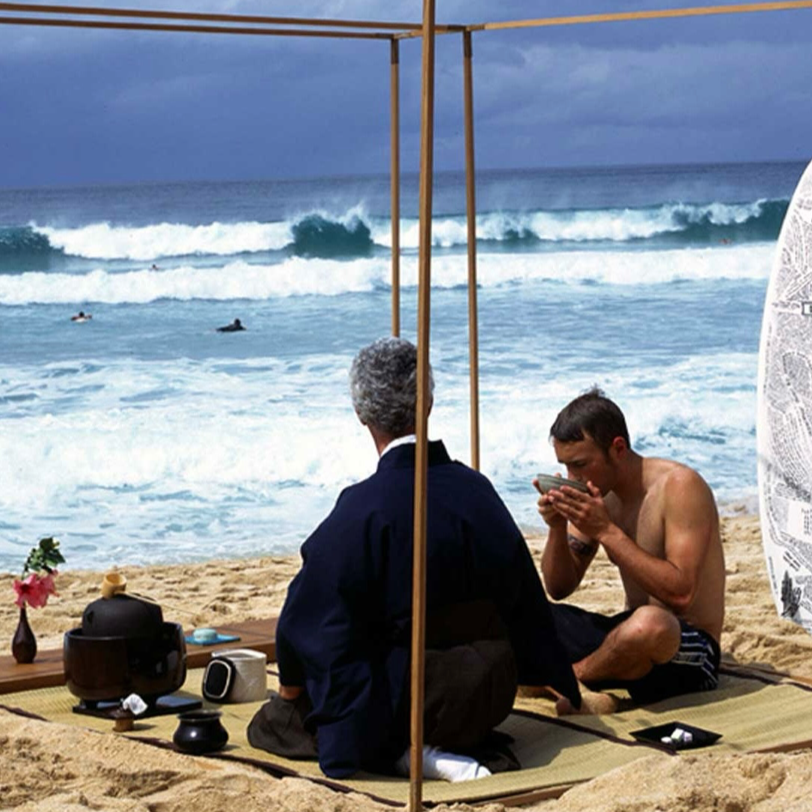
Read MoreIn an era of algorithmic echo chambers and confirmation bias, connecting with people outside our bubble is harder than ever. Through artist Pierre Sernet’s Guerrilla Tea project—a portable tea room journeyed across more than 30 countries—we explore how a simple shared ritual can bridge cultural divides, foster empathy, and remind us of our shared humanity across place and time.
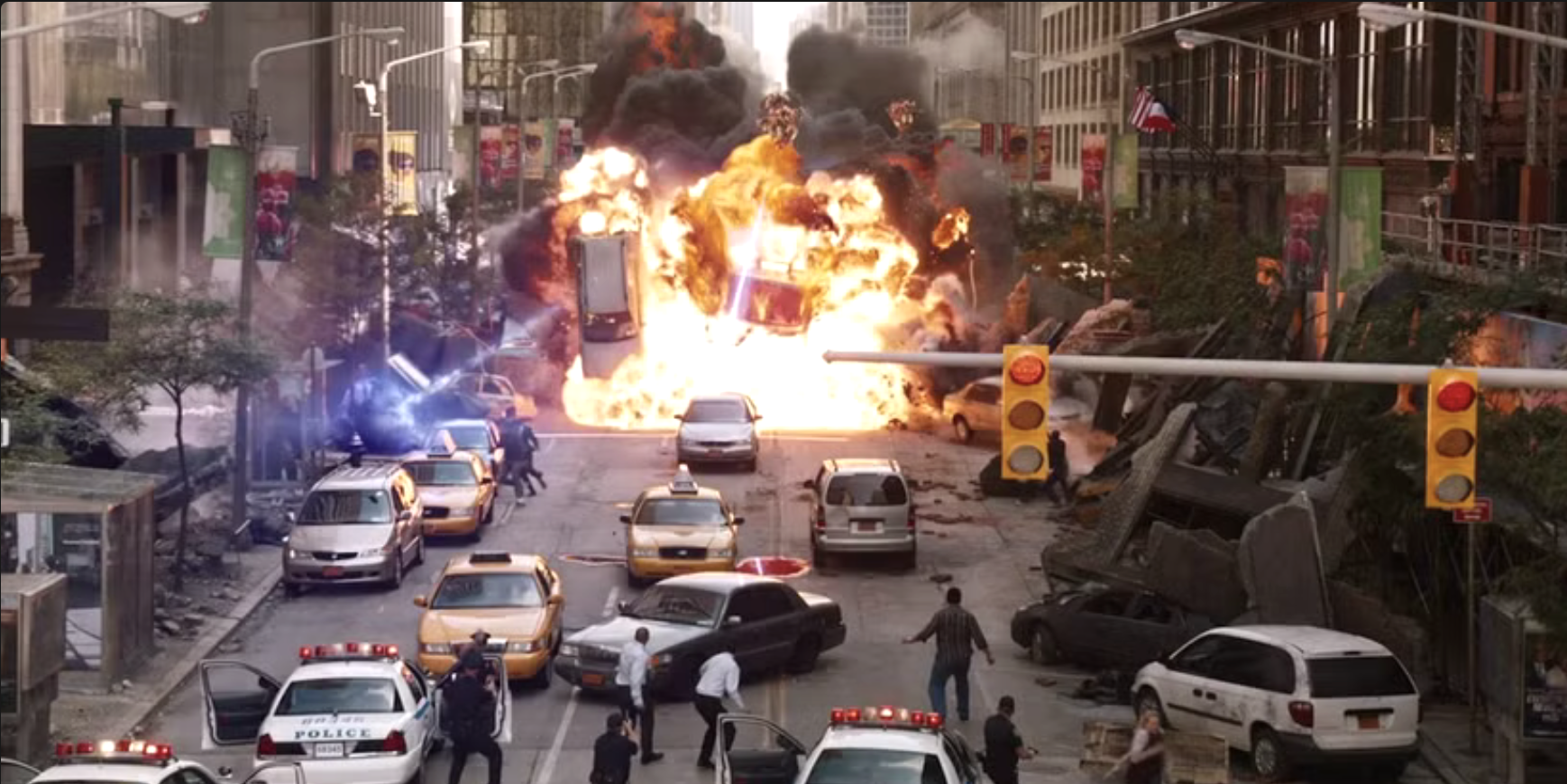
Read MoreIn movies, anonymous people often disappear in the background while the hero remains at the center. We may do something similar when we encounter suffering in the real world.
Read MoreWe translate compassion across languages, but translation can hide important differences. From karuṇā to ubuntu, different words reveal different ideas about suffering, care, action and our connection to others.
Read MoreA Caribbean hurricane preparedness campaign reached five million people with a song. But did it change behaviour? Research suggests music may do more than capture attention—it can help people trust the message and feel capable of taking action.
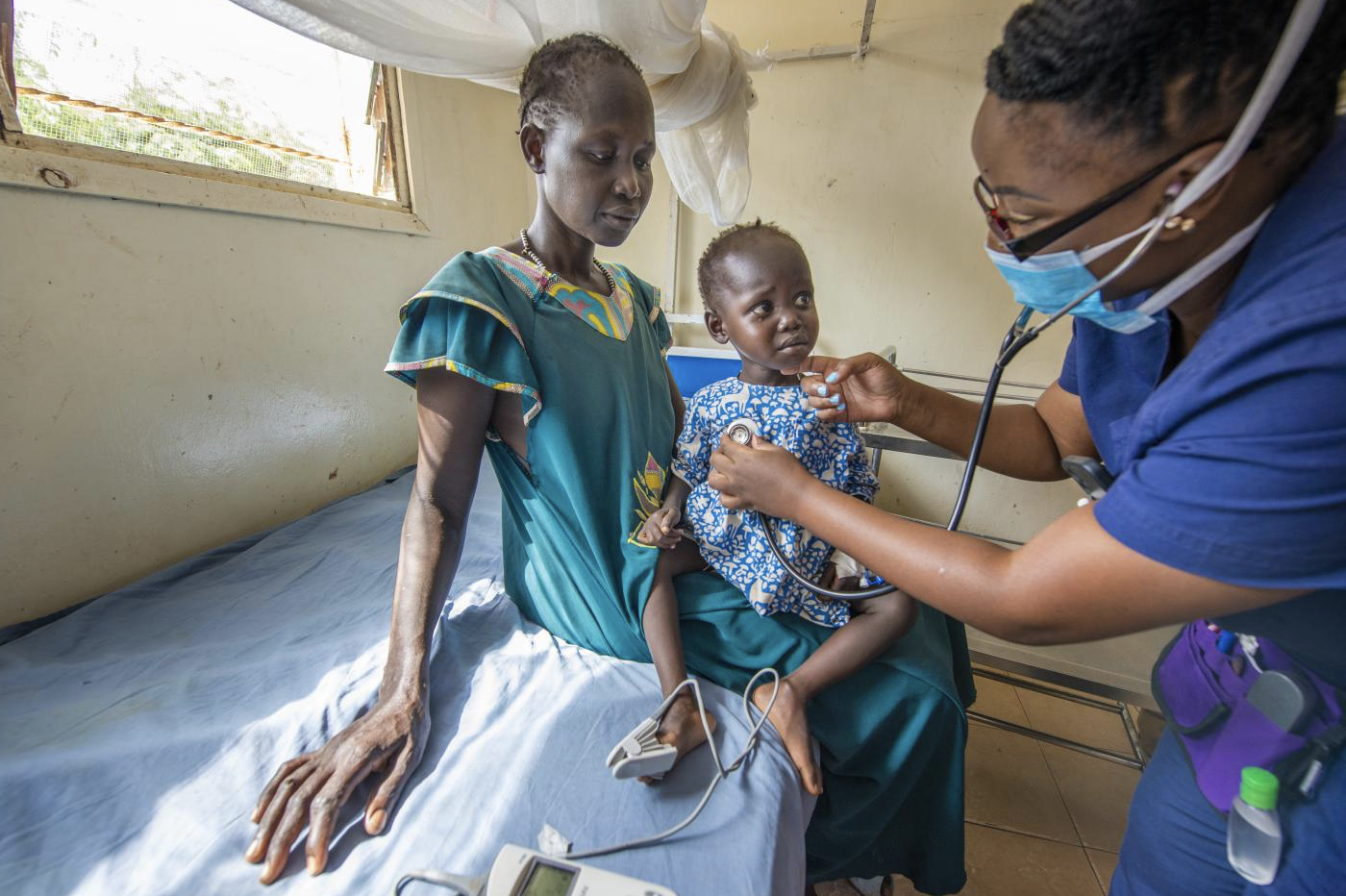
Read MoreThe mosquito kills more people than any other animal, yet malaria’s enormous death toll rarely feels like a catastrophe. Here’s why scale can make suffering harder to see—and how individual stories can restore our sense of compassion.
Read MoreThe wildfires in southwestern France have displaced thousands of people. Inside a shelter in Bordeaux, volunteers are doing more than meeting basic needs. Their work raises a broader question: should emergency preparedness include comfort, routine, and human connection alongside food and first aid?
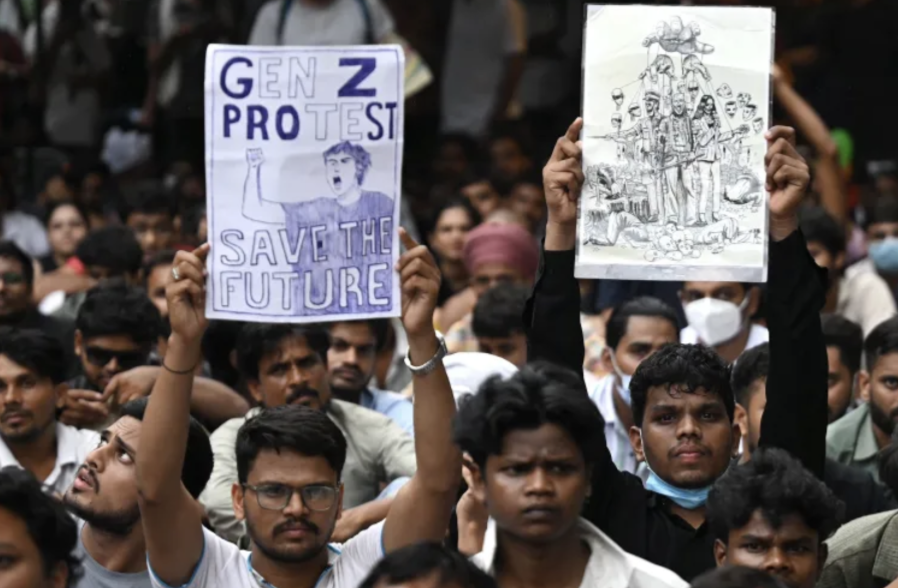
Read MoreAfter being called "cockroaches," Indian students turned the insult into the name of a nationwide protest movement. The Cockroach Janta Party is now leading demonstrations demanding accountability after repeated exam paper leaks.
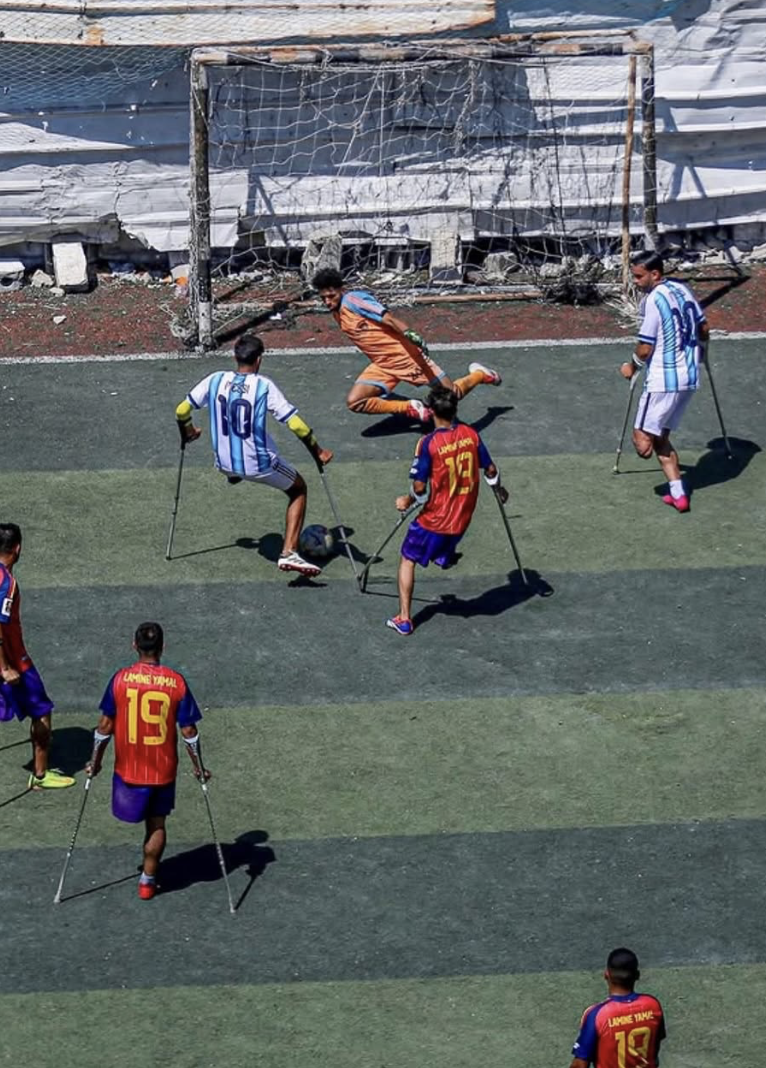
Read MoreIn a damaged stadium in Gaza, Palestinian amputees recreated the World Cup final just before the championship match. The symbolic game offered a reminder that even during war, people seek moments of connection through sport.
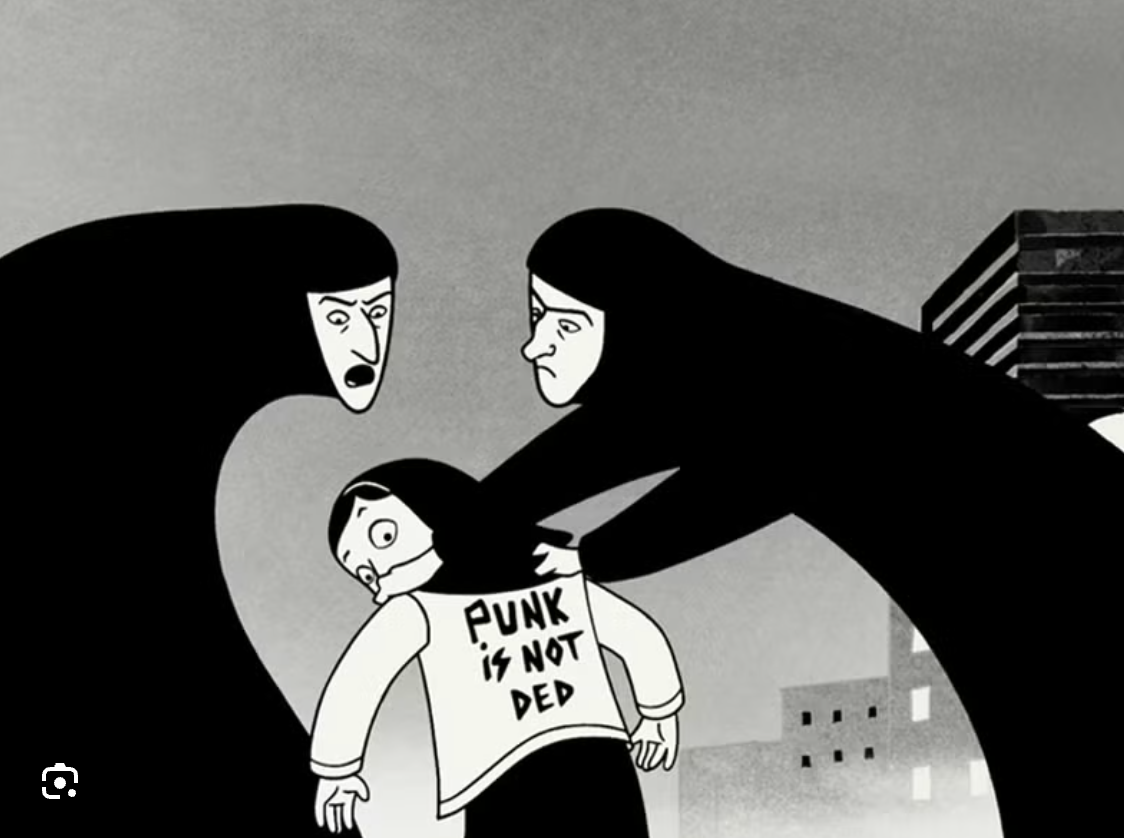
Read MoreFollowing the death of Marjane Satrapi, we revisit Persepolis and the lasting impact of a story that helped millions see Iran through the life of one family rather than through headlines.
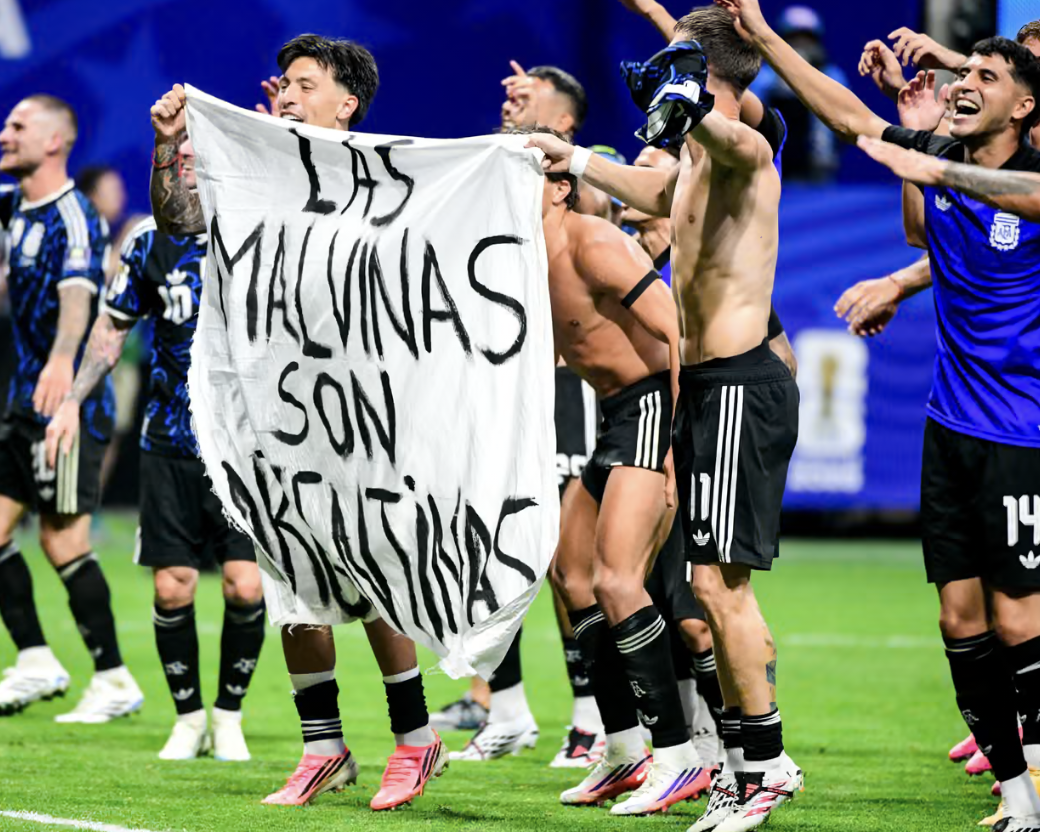
Read MoreArgentina's World Cup celebration after defeating England reignited the Falklands/Malvinas dispute, highlighting how political messages can emerge during global sporting events.
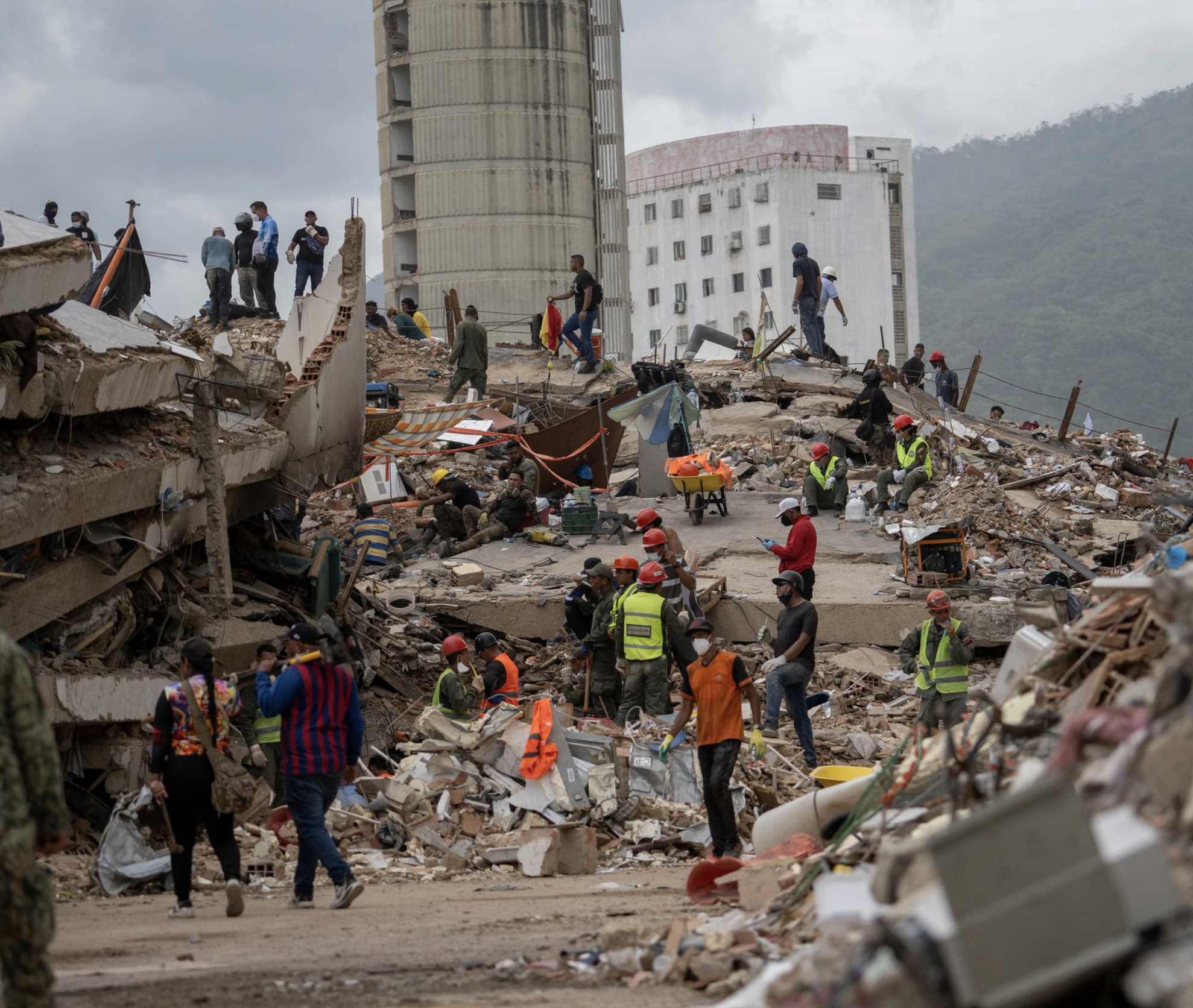
Read MoreAfter the earthquakes in Venezuela, hundreds of amateur volunteers joined professional rescue teams. Their stories show how ordinary people step into extraordinary roles during disasters.
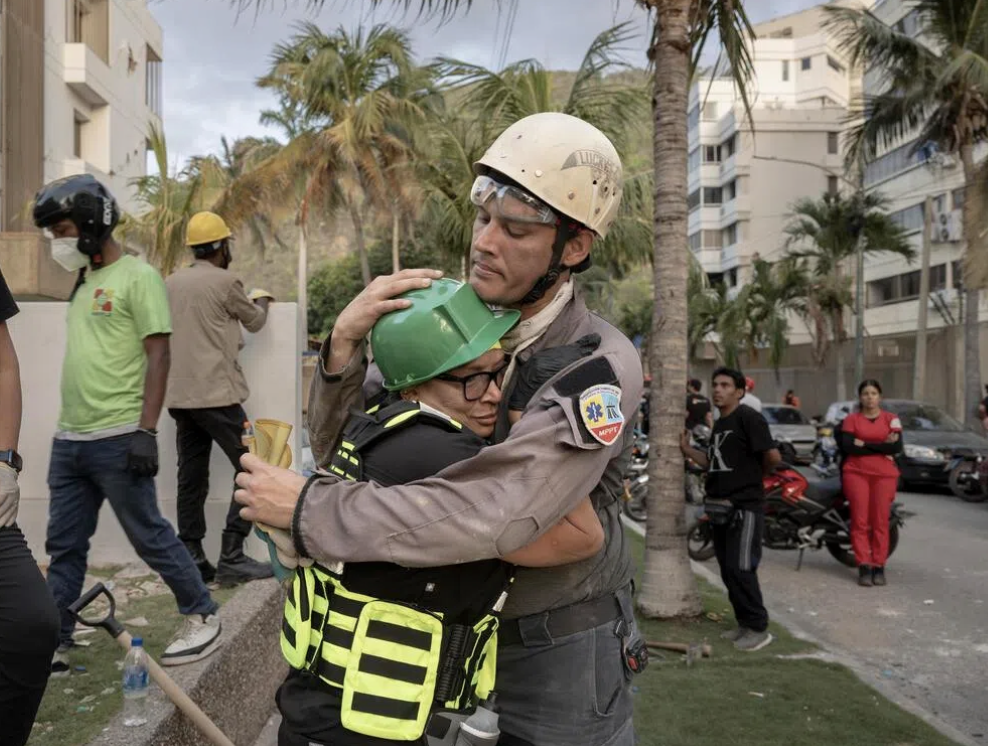
Read MoreAs rescuers search through the rubble after Venezuela’s devastating earthquakes, one video stands out. Volunteers comfort people trapped beneath collapsed buildings, offering calm words and even singing to injured survivors. What role can human connection play in moments of extreme crisis?
Read MoreAt this year’s World Cup, Antonio Rüdiger, Alphonso Davies, and Nestory Irankunda represent different countries, but share a similar past: displacement. Their stories remind us that behind debates about refugees are individuals, families, and futures still being written. In a tournament that brings the world together, their journeys offer a different perspective on belonging, opportunity, and human potential.
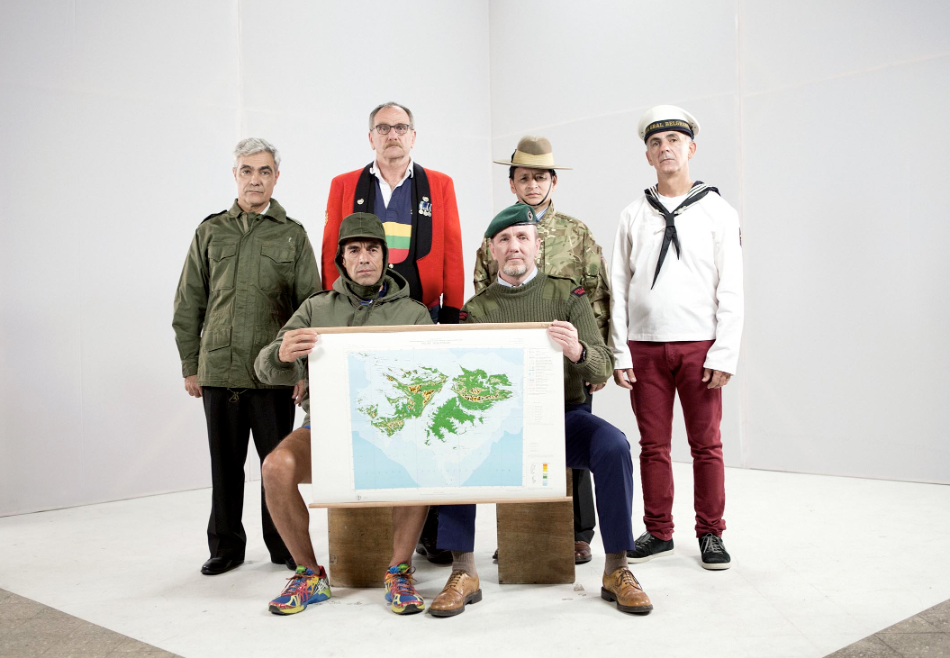
Read MoreMinefield brings together Argentine and British veterans of the Falklands/Malvinas War, revealing how personal stories can bridge divides long after conflict ends.
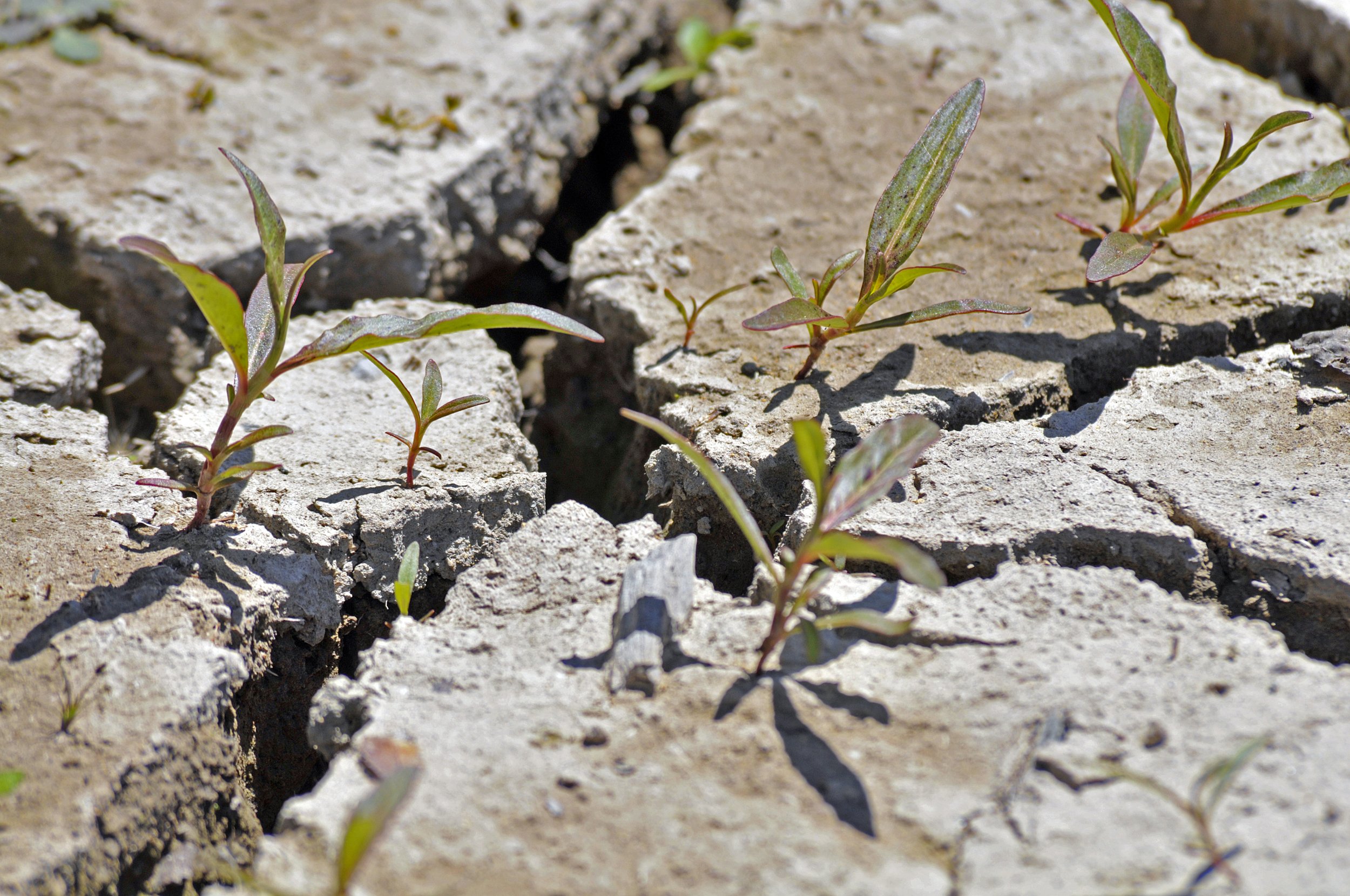
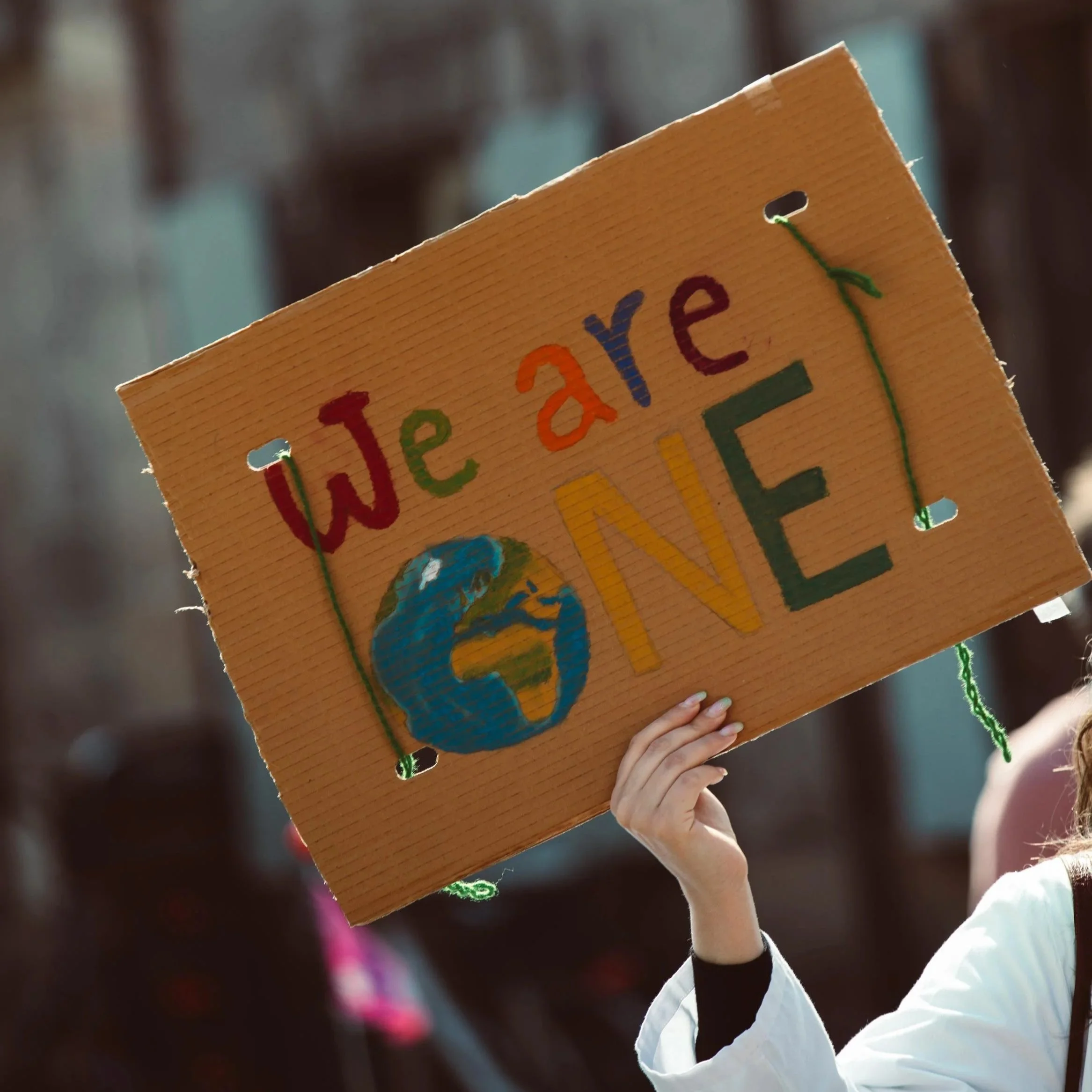
Read MoreWhy do so many people stay silent about climate change even when they care deeply about it? In a California college classroom, students used the Arithmetic of Compassion to explore climate apathy, storytelling, and how personal narratives can help turn concern into action.
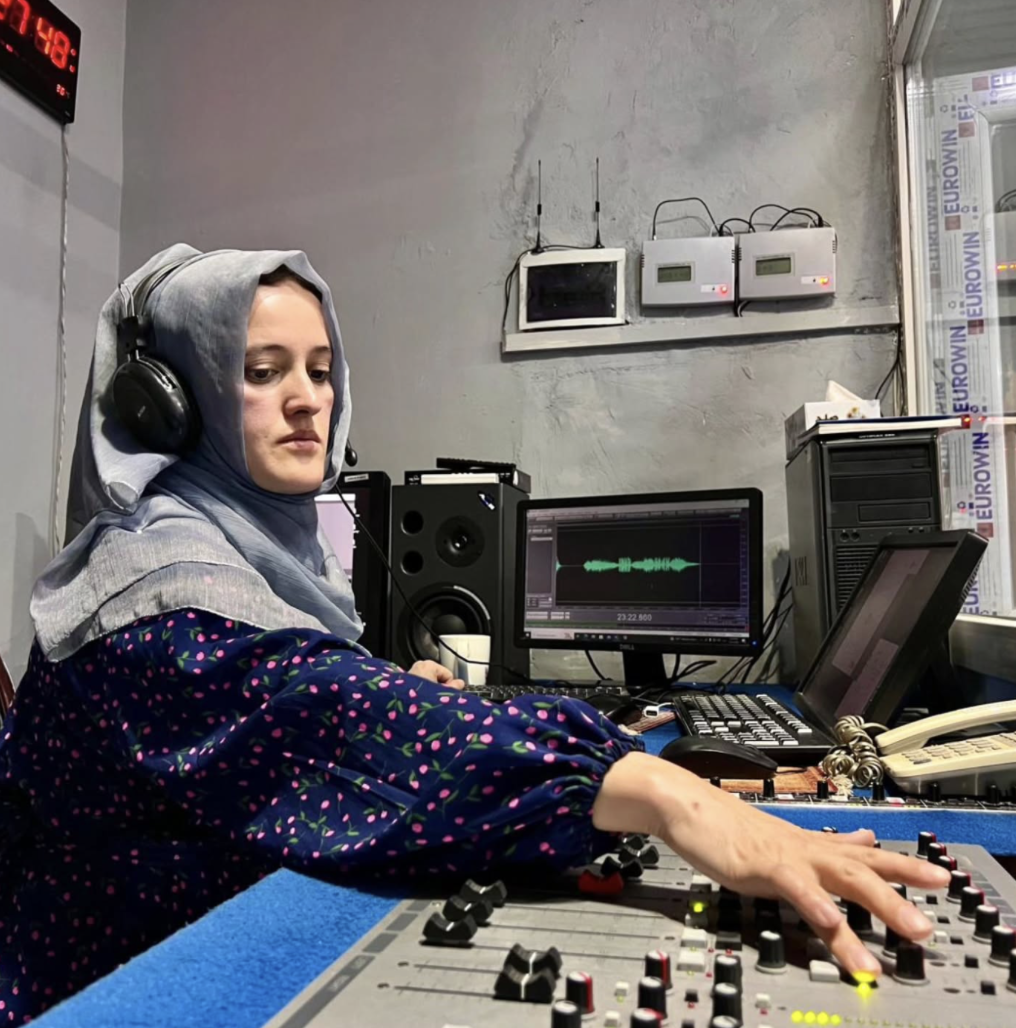
Read MoreIn places where speaking publicly can carry risk, women-led radio stations are creating spaces for connection, advice, and shared experience. From Afghanistan to Uganda, these broadcasts show how simply hearing another voice can begin to challenge silence.
Read More