
Making Tsunami Risk Hard to Forget
Tsunamis are rare, but their consequences can be devastating. This makes them difficult to communicate as a risk, especially to people who have never experienced one.
So, how do we keep people aware of a threat that may feel distant from their everyday lives?
Every November 5, World Tsunami Awareness Day, coordinated by UNDRR (the United Nations Office for Disaster Risk Reduction), offers an opportunity to address this challenge.
Around the world, initiatives use creative ways to help people understand tsunami risk and remember how to respond.
Let’s explore some of them.
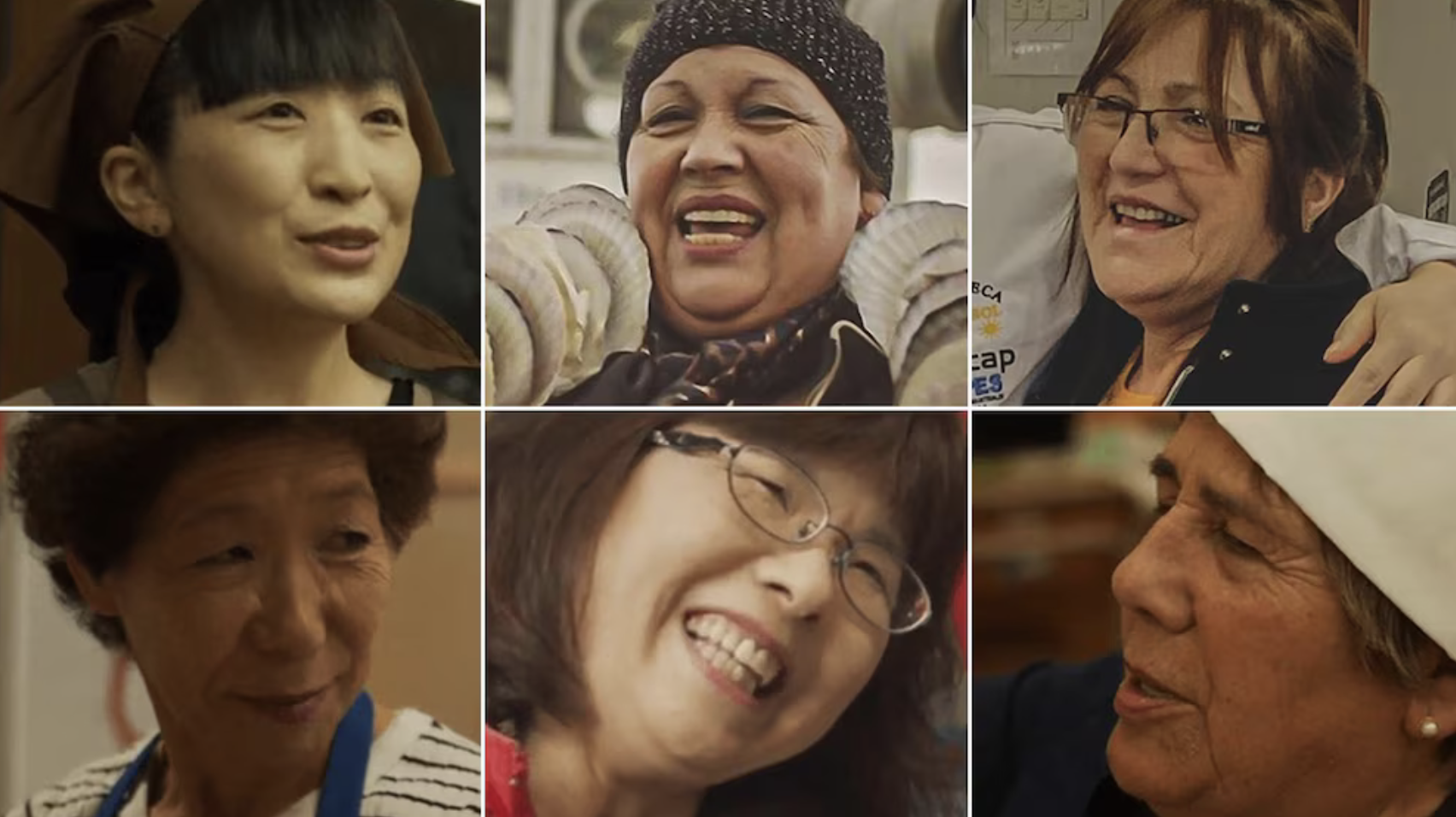
Tsunami Ladies follows six women from Chile and Japan who survived tsunamis and helped rebuild their communities through cooking. By sharing recipes and personal experiences, they bring a human perspective to disasters that might otherwise feel distant.
The Girl and the Tsunami tells the true story of Martinna, a 12-year-old who warned her community on Chile’s Juan Fernández Island before the 2010 tsunami. The animated documentary shows how knowledge and individual initiative can help save lives.
In Timor-Leste, local musicians brought tsunami preparedness messages into schools through a song. Students also took part in games, role plays and evacuation drills. The song continued to reach audiences through radio and live performances after the commemorations.
UNDRR’s #GetToHighGround campaign began with community walks along evacuation routes in Mauritius and Portugal, giving residents an opportunity to become familiar with the routes they might need to use.
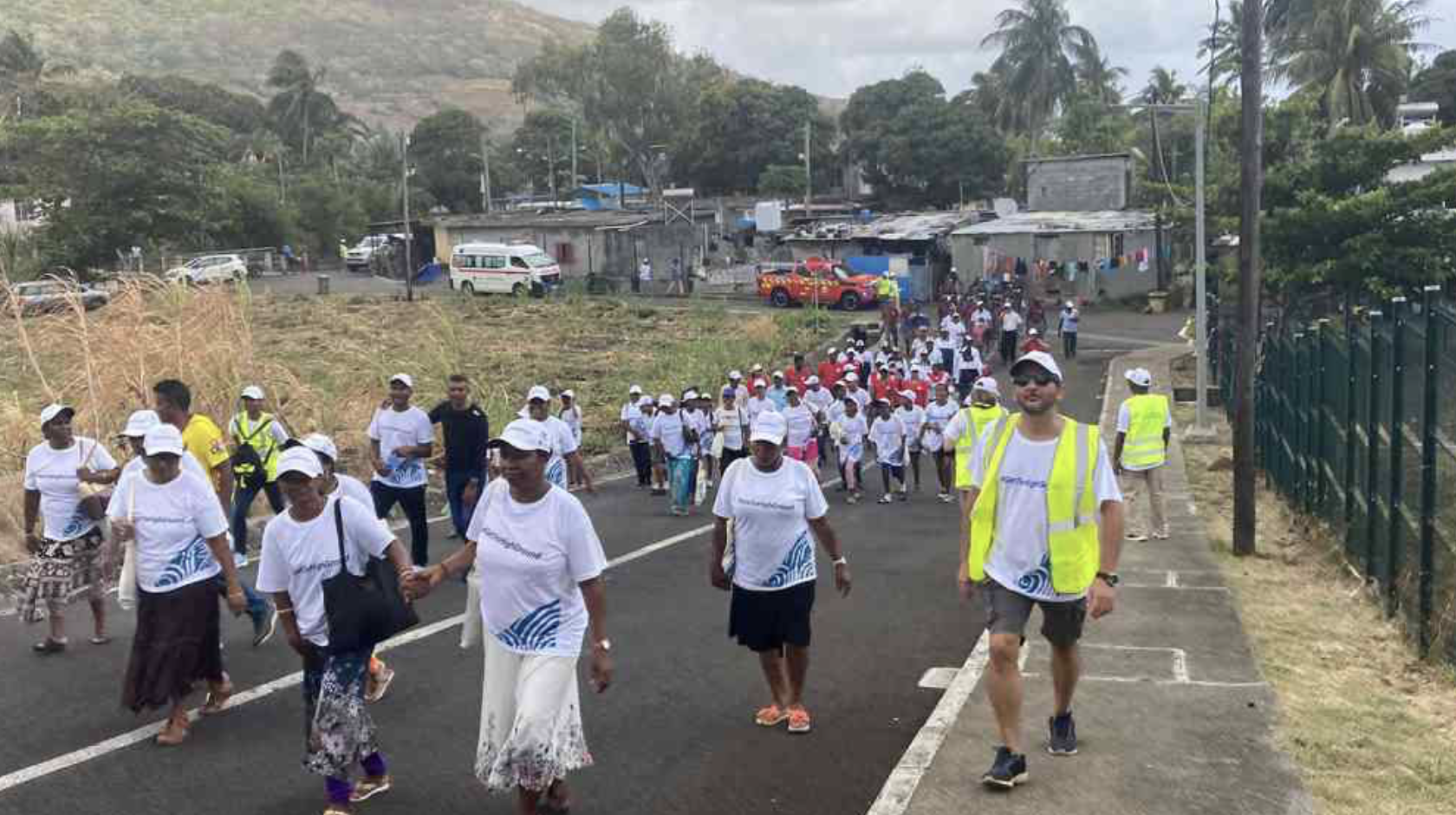
Picture: UNDRR.
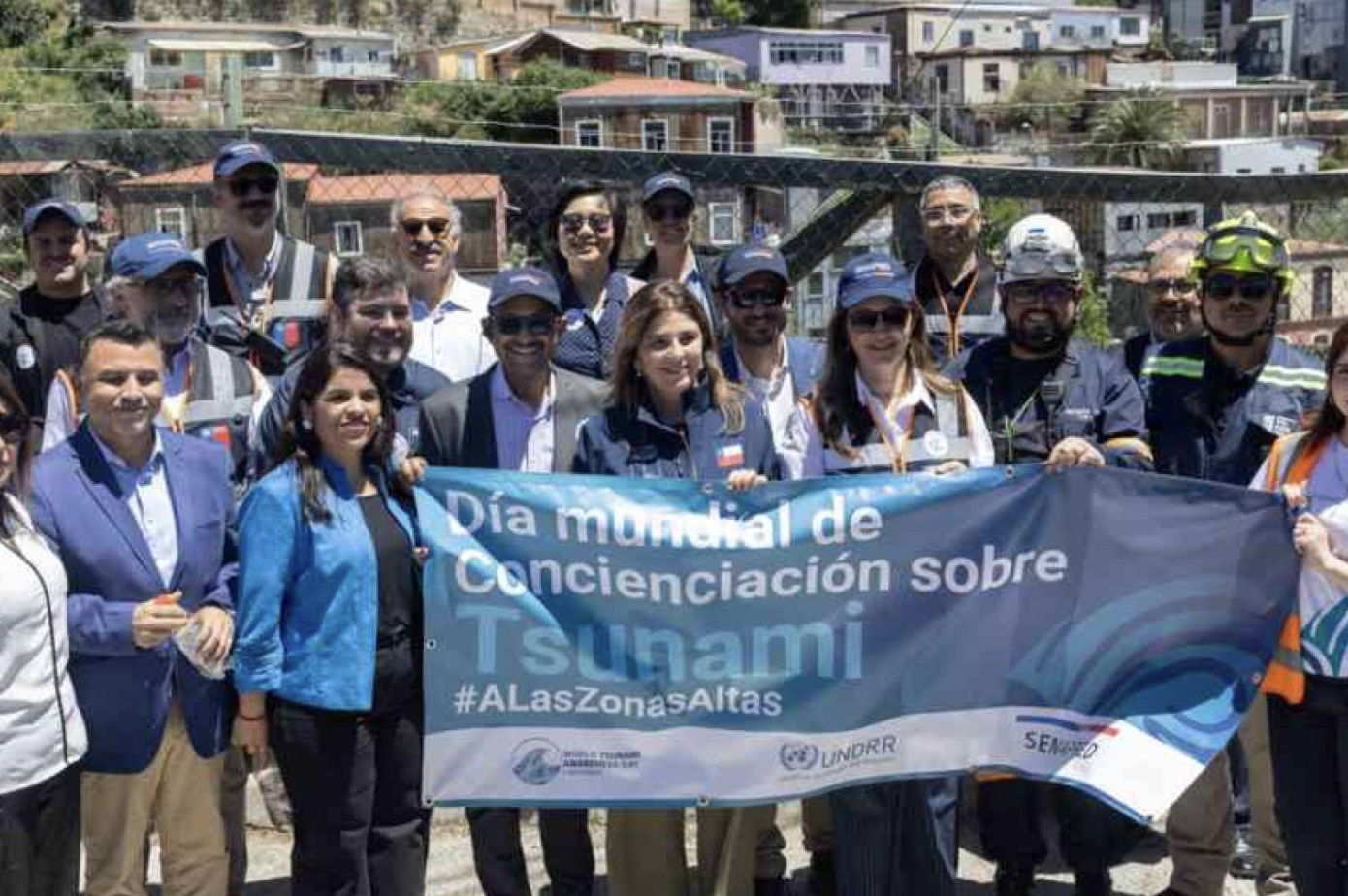
In Chile’s Valparaíso region, more than 300,000 students, teachers and staff took part in an earthquake and tsunami evacuation exercise on November 5, 2026, practising what to do in an emergency.
Why this matters
These initiatives show how preparedness can become part of everyday life. Stories, music and practical exercises give people ways to understand tsunami risk and remember how to respond. When a tsunami strikes, there may be only minutes to act. What people learn before the warning comes can make all the difference.