
The World’s Deadliest Animal—and the Deaths We Barely Notice
By Emiliano Rodríguez Nuesch
The deadliest animal in the world is not the shark, the snake, or the crocodile. It is the mosquito.
Mosquitoes do not usually kill people directly. They transmit malaria, dengue, yellow fever, Japanese encephalitis, and other diseases. Together, vector-borne diseases cause more than 700,000 deaths each year. Malaria alone caused an estimated 610,000 deaths in 2024. Ninety-five percent occurred in Africa, and most of those who died were children under five. That is roughly 1,670 malaria deaths every day.
Yet malaria rarely feels like an ongoing catastrophe. There is no single moment when the tragedy begins, no dramatic image that captures its full scale, and no day when all its victims appear together. The deaths occur one at a time, across thousands of communities, throughout the year. Their very regularity makes them easier for the rest of the world to overlook.
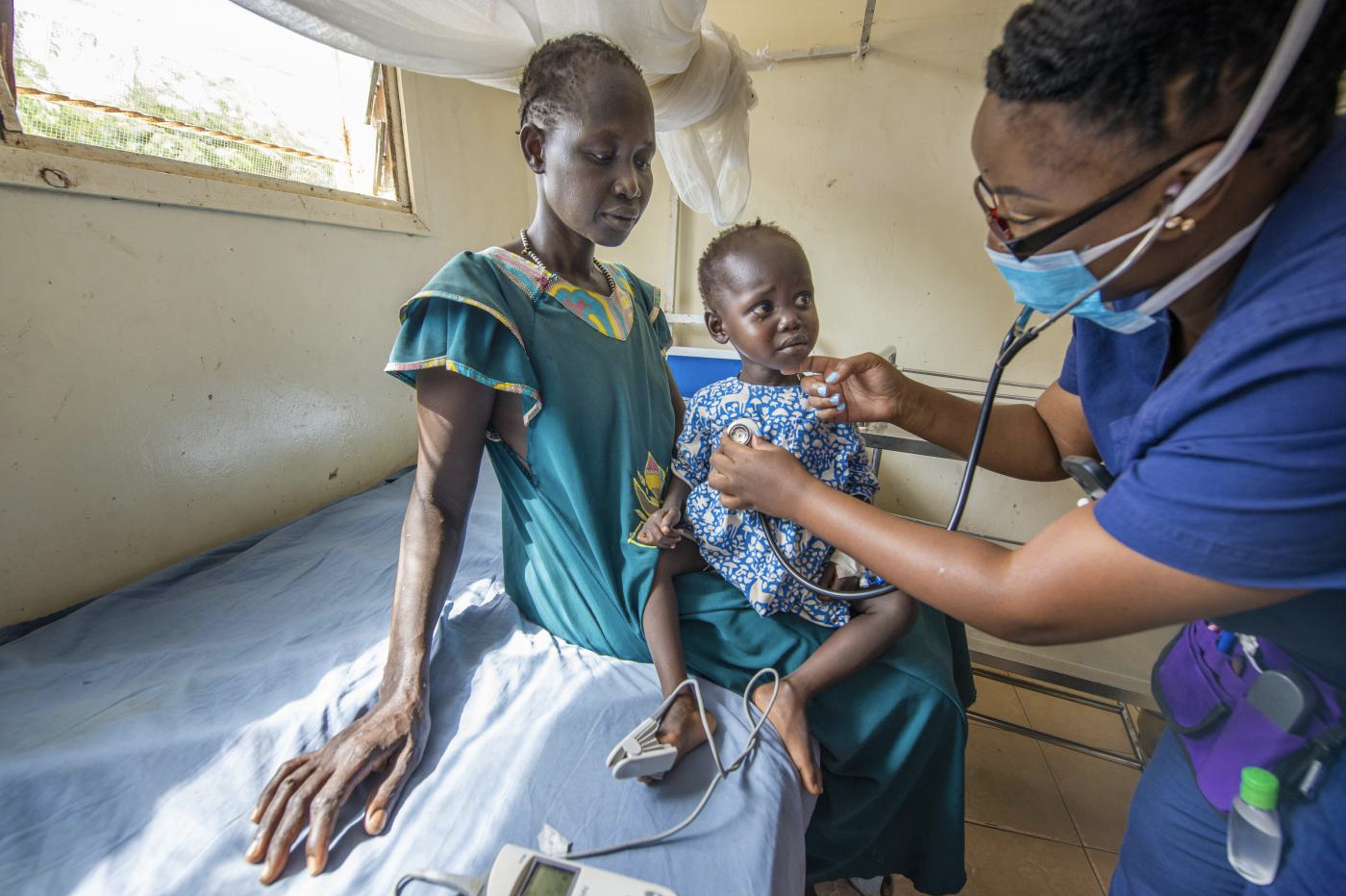
Tana, 2, is on the road to recovery after contracting malaria for the third time in her short life. European Union (photographer: Peter Biro)
This is a striking example of what researchers call psychic numbing. Most of us care deeply about individual lives, but our emotional response does not grow in proportion to the number of people at risk. As Paul Slovic has described the paradox: “The more who die, the less we care.”
Research suggests that this erosion of feeling can begin surprisingly quickly. In a series of experiments, Daniel Västfjäll, Paul Slovic, Marcus Mayorga, and Ellen Peters found that participants experienced stronger positive feelings and donated more when presented with one child in need than when presented with two. The researchers concluded that compassion can begin to fade with the addition of a second life.
The scale of malaria creates precisely this challenge. “610,000 deaths” communicates magnitude, but it does not allow us to picture 610,000 distinct children, families, and interrupted futures. A number intended to demonstrate urgency may instead distance us from the people it represents.
When danger becomes part of everyday life
The way communities perceive mosquitoes adds another layer to the problem. Mosquito bites are immediate, familiar, and irritating. The diseases mosquitoes carry are less visible: infection is uncertain, symptoms are delayed, and serious illness may seem like something that happens to someone else.
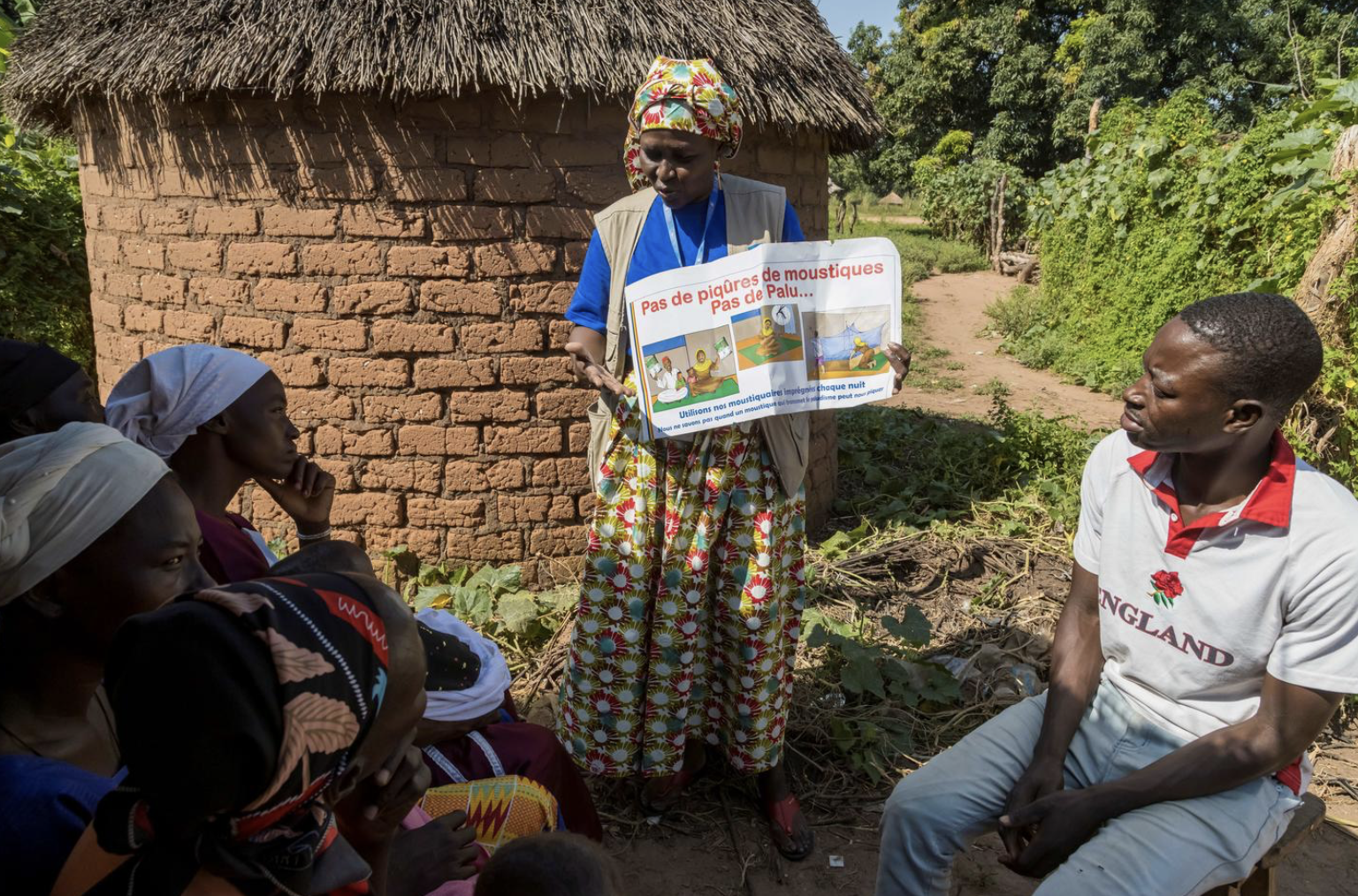
Community engagement in Chad plays a key role in malaria prevention by promoting awareness, prevention practices and early action.
A qualitative study in Sint Eustatius in the Caribbean found that residents often viewed mosquitoes as an unavoidable part of everyday life. They were perceived primarily as irritating, while knowledge about which mosquitoes transmitted dengue varied considerably.
Research in the Peruvian Amazon found a related pattern. Caregivers understood that dengue was dangerous, particularly for children, but many felt powerless to prevent it. Individual efforts seemed futile if neighbors and public institutions did not act as well. Some viewed infection as effectively inevitable.
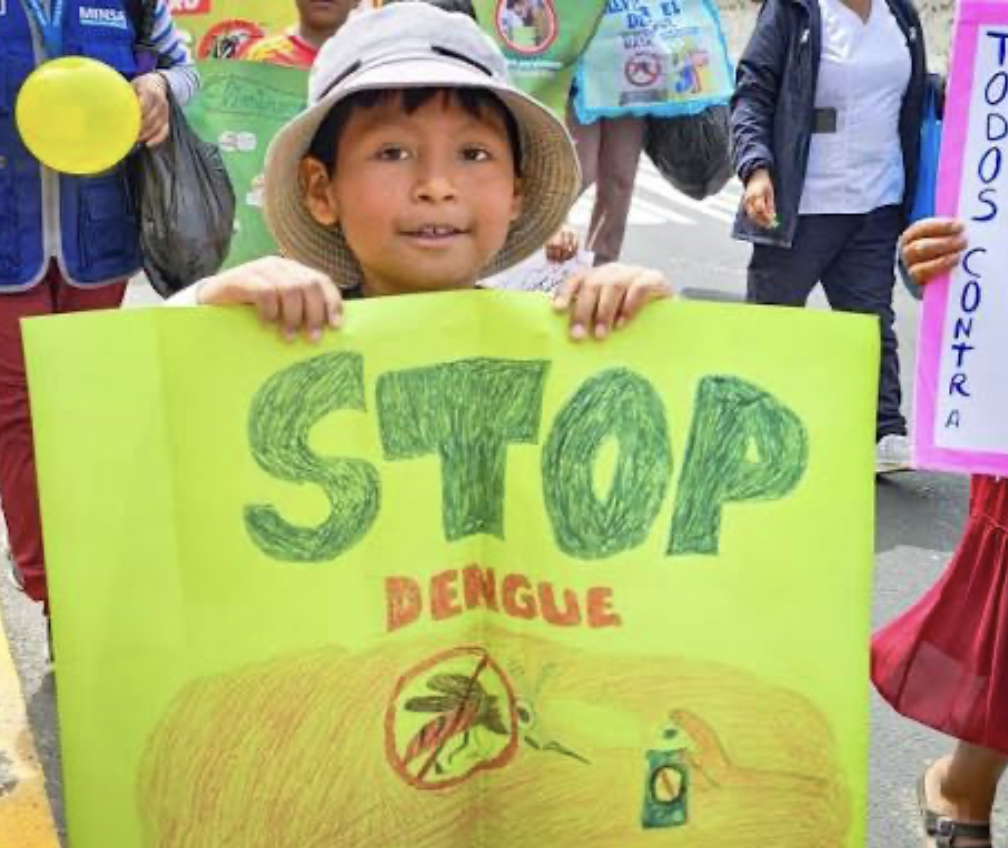
Picture: Perú, Lima Health Ministry.
This resembles another obstacle identified by Arithmetic of Compassion: pseudoinefficacy. When a problem feels too large, people may conclude that their contribution will not matter—even when the action available to them would produce a real benefit.
With mosquito-borne disease, this problem is especially acute because prevention often requires collective action. One household can remove standing water, use bed nets, or take other precautions. But mosquitoes do not respect property lines. Effective protection depends partly on what neighbors, communities, health systems, and governments do together.
A study in Guyana found that people’s perceptions of malaria risk were influenced by the perceptions of their social reference groups. Risk perception, in turn, affected preventive behavior. The finding suggests that people respond not only to official information, but also to what those around them believe and do.
A geographically distant tragedy
Mosquito-borne diseases are also profoundly unequal. Their greatest burden falls on tropical and subtropical regions and disproportionately affects poorer populations. For audiences in wealthier countries, most victims are geographically distant, statistically represented, and rarely identifiable.
This distance matters. It is easier to feel concern for a single person whose face, name, and circumstances we know than for hundreds of thousands of unknown people described collectively. The victims of malaria are not inherently less deserving of compassion. They are simply placed in a form that human emotion struggles to process.
Calling the mosquito the world’s deadliest animal may capture attention. But the mosquito is only the hook. The moral issue is not our fear of an insect. It is our limited response to the people placed at risk by the diseases it carries.
How can we make the numbers human without losing the scale?
The scientific tools for preventing mosquito-borne diseases continue to improve. New vaccines, insecticide-treated nets, surveillance systems, and mosquito-control technologies offer genuine reasons for hope. But sustaining action also requires overcoming the psychological forces that allow a continuing catastrophe to fade into the background.
A mosquito is small enough to land on the back of a hand. The suffering it carries is almost unimaginably large. Our challenge is to hold both realities in mind, and to ensure that the magnitude of the tragedy strengthens our compassion rather than numbing it.