
From Refugee Camps to the World Cup
By María Morena Vicente and Emiliano Rodríguez Nuesch
The World Cup is often remembered through countries, rivalries, and results.
But some of the players on the field carry another story. Behind some of the players on the field are journeys shaped by conflict, displacement, and the support of people who offered safety when it was needed most.
Let’s get to know them.
Antonio Rüdiger's family fled the civil war in Sierra Leone. During their journey to safety, his uncle hid children in sacks of rice to prevent them from being abducted by armed groups.

Rüdiger was born in Germany after his family was accepted as refugees. Looking back on the stories his relatives shared, he remembers how close they came to a very different future.
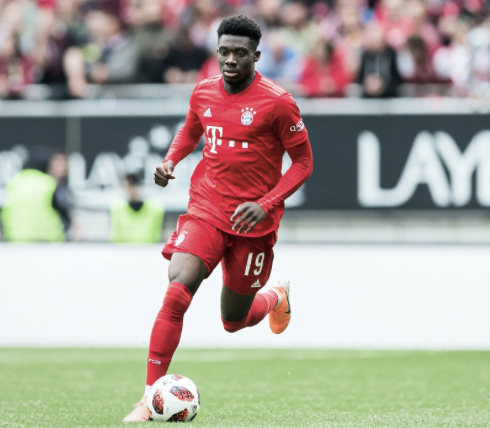
Alphonso Davies spent his early years in a refugee camp in Ghana after his parents fled the civil war in Liberia. Years later, he became captain of Canada.
"Canada means a lot to me," Davies said in an interview with UNHCR. "They gave me the opportunity to be who I am and to be what I want to be in life."
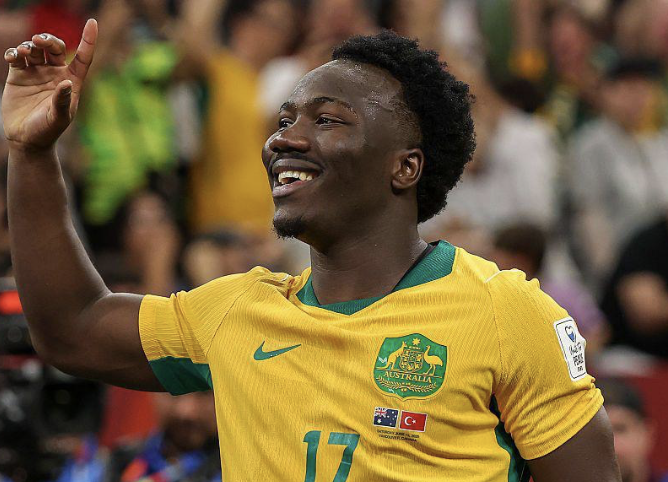
Getty Images
Australia's Nestory Irankunda also arrived through a refugee journey. Born in a camp in Tanzania to parents who had fled Burundi, he grew up in Australia and recently became the youngest goalscorer in his country's World Cup history.
Today, millions of people watch them play football.
Many of those same people regularly encounter headlines about refugees. The stories are often told through policies, borders, and numbers. The World Cup offers a different perspective.
For a few weeks, attention shifts to individuals, families, and personal histories that might otherwise remain invisible.
Rüdiger has spoken openly about what his family's experience taught him.
"The narrative goes a bit more blaming the refugees," he said. "But you have people who come here, they really want to change their life, they're doing good, they're trying to learn."
The World Cup brings together countries, languages, histories, and identities that often seem far apart. Millions of people follow the same matches, celebrate the same goals, and share the same moments of anticipation and joy.
For most people, refugees appear in the news as part of a larger issue. At the World Cup, they appear as individuals.
Global events have a unique ability to do that. They bring people together around a shared experience while making room for stories that might otherwise go unnoticed. For a moment, labels become names, faces, and lives.
In a tournament that brings millions of people together, those stories become part of what connects us.
Articles you may also like:
The Olympics and their impact beyond sports
The Effects of Dehumanizing Visual Portrayals of Refugees
Applying the Arithmetic of Compassion to the Plight of Refugees