
We Are All Extras
In superhero movies, cities are constantly being destroyed. Buildings collapse, cars fly through the air, and entire streets disappear under explosions. We follow the hero, hoping they will survive. We may even worry about the villain. But we rarely think about the people who happened to be inside those buildings or walking down those streets.
Argentine filmmaker Lucrecia Martel has pointed to something unsettling in these scenes: the extras do not matter. Cinema has taught us, movie by movie, to accept their disappearance. They are there to make the destruction feel large, but not to be mourned.
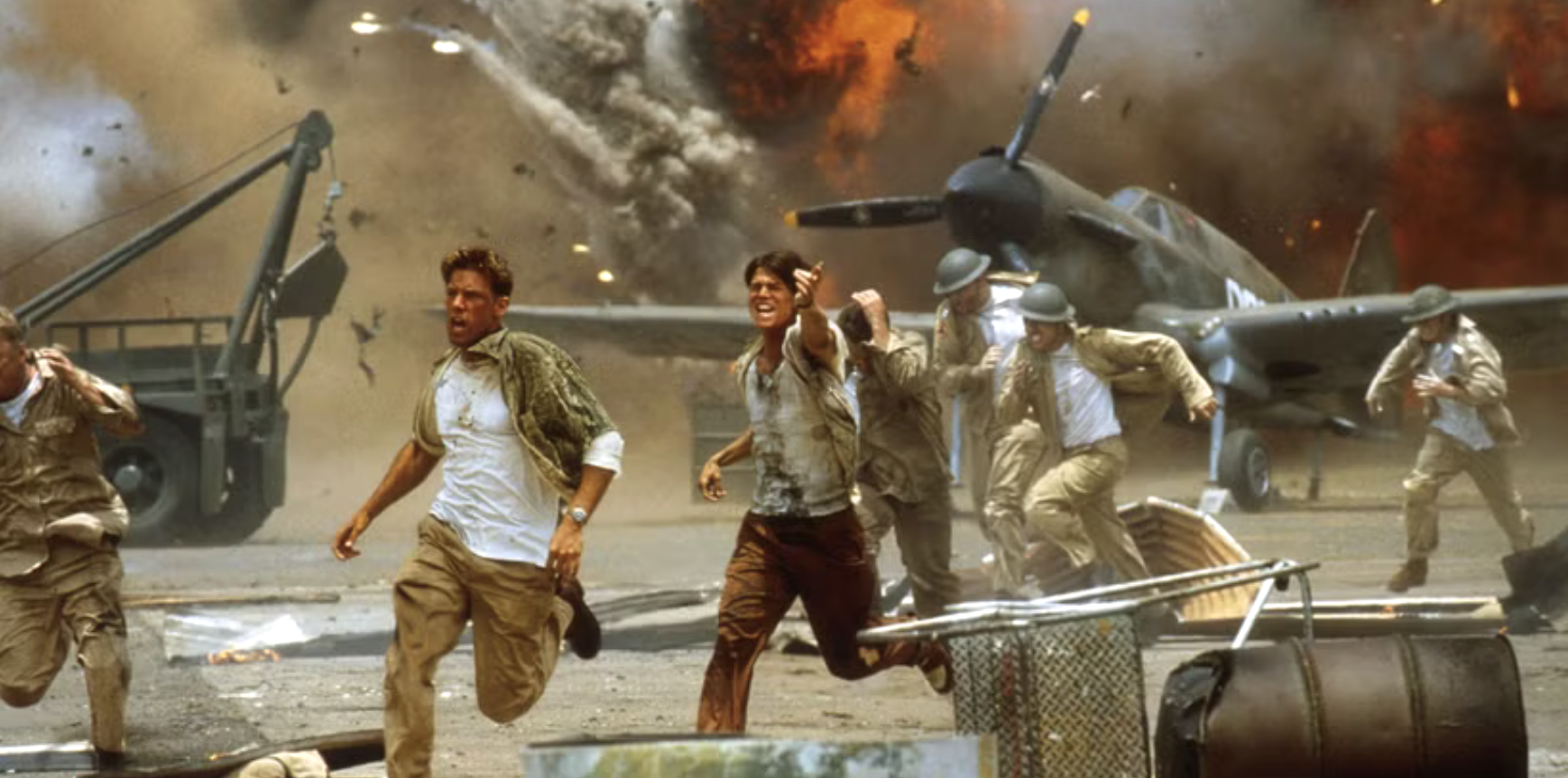
The same thing happens in many action films. A shootout erupts in a station, restaurant, or public square. Anonymous people fall or run for cover. Their fear gives the scene intensity, but their lives have no place in the story. When the shooting ends, the film moves on with the hero.
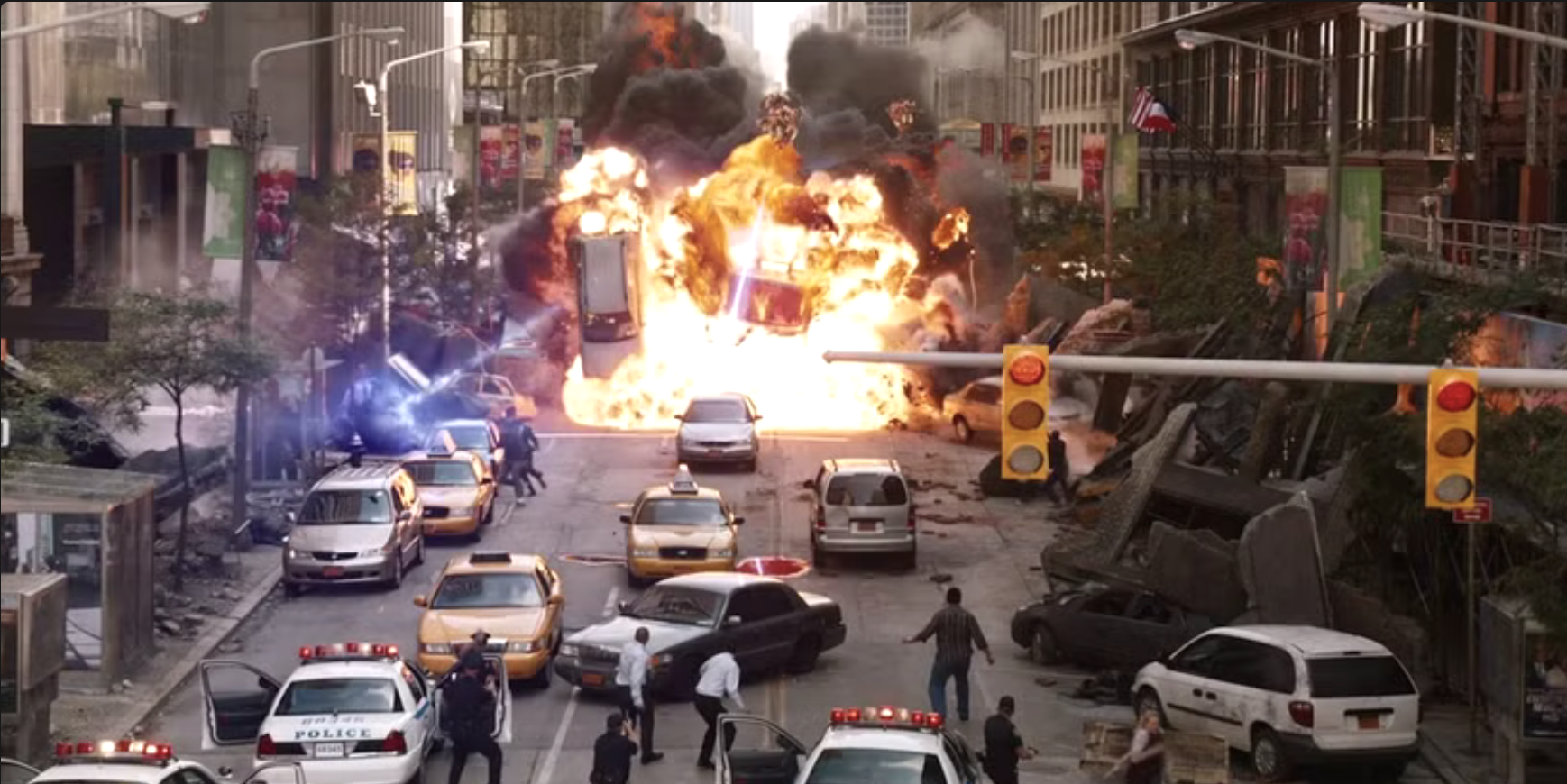
We understand how the narrative works. A story needs a center. It cannot tell us everything about everyone. But repeated often enough, this hierarchy of attention may shape how we look at the real world. Some lives appear to carry a name, a face, a past, and a future. Others become background.
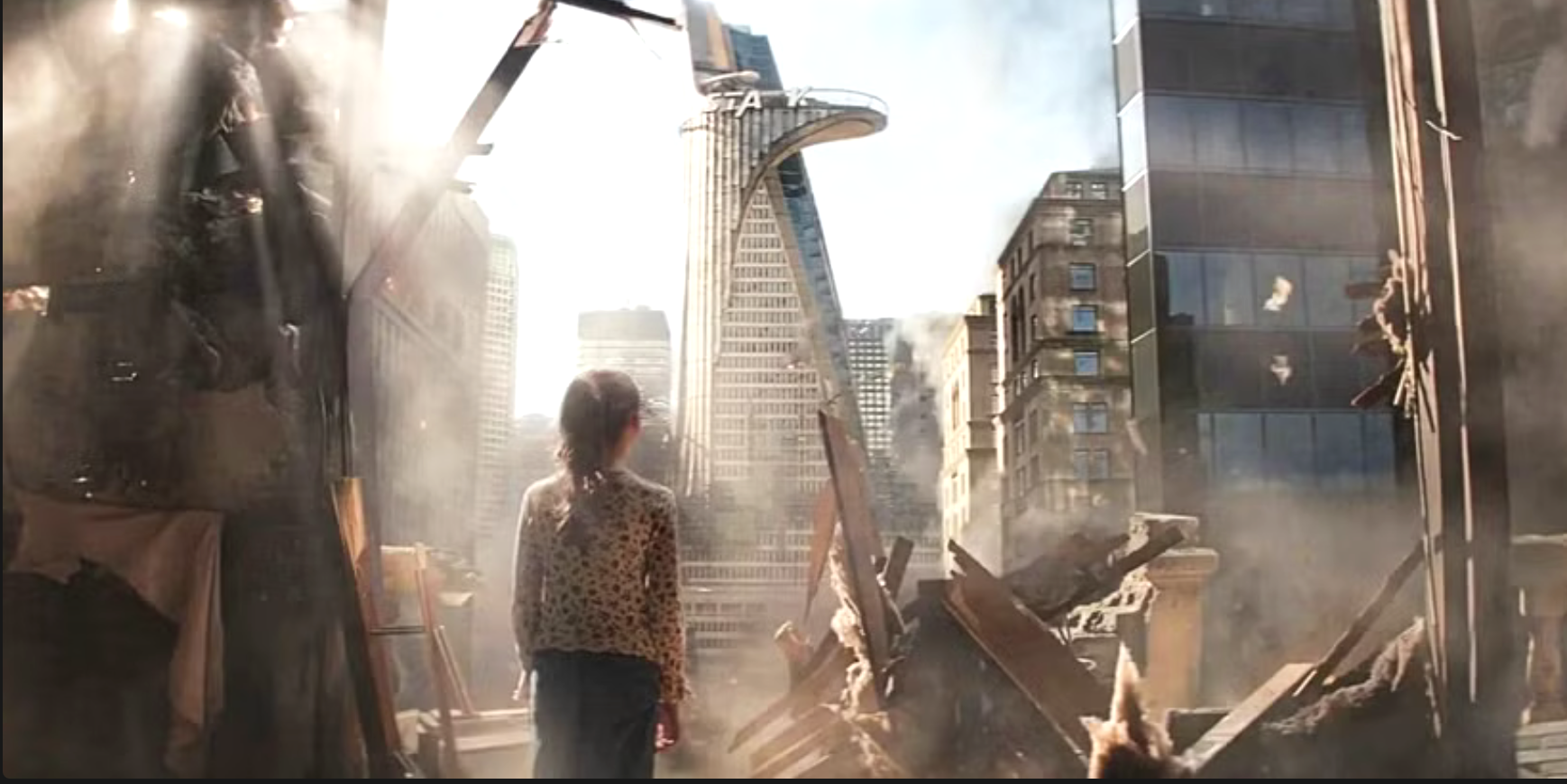
Something similar happens in war.
News about a conflict often focuses on a small group of protagonists: presidents, generals, ministers, soldiers, negotiators, and sometimes terrorists. Their intentions are analyzed. Their decisions become the plot. Meanwhile, the people who lose their homes, their families, or their lives are described collectively: 40 dead, 500 wounded, 10,000 displaced.
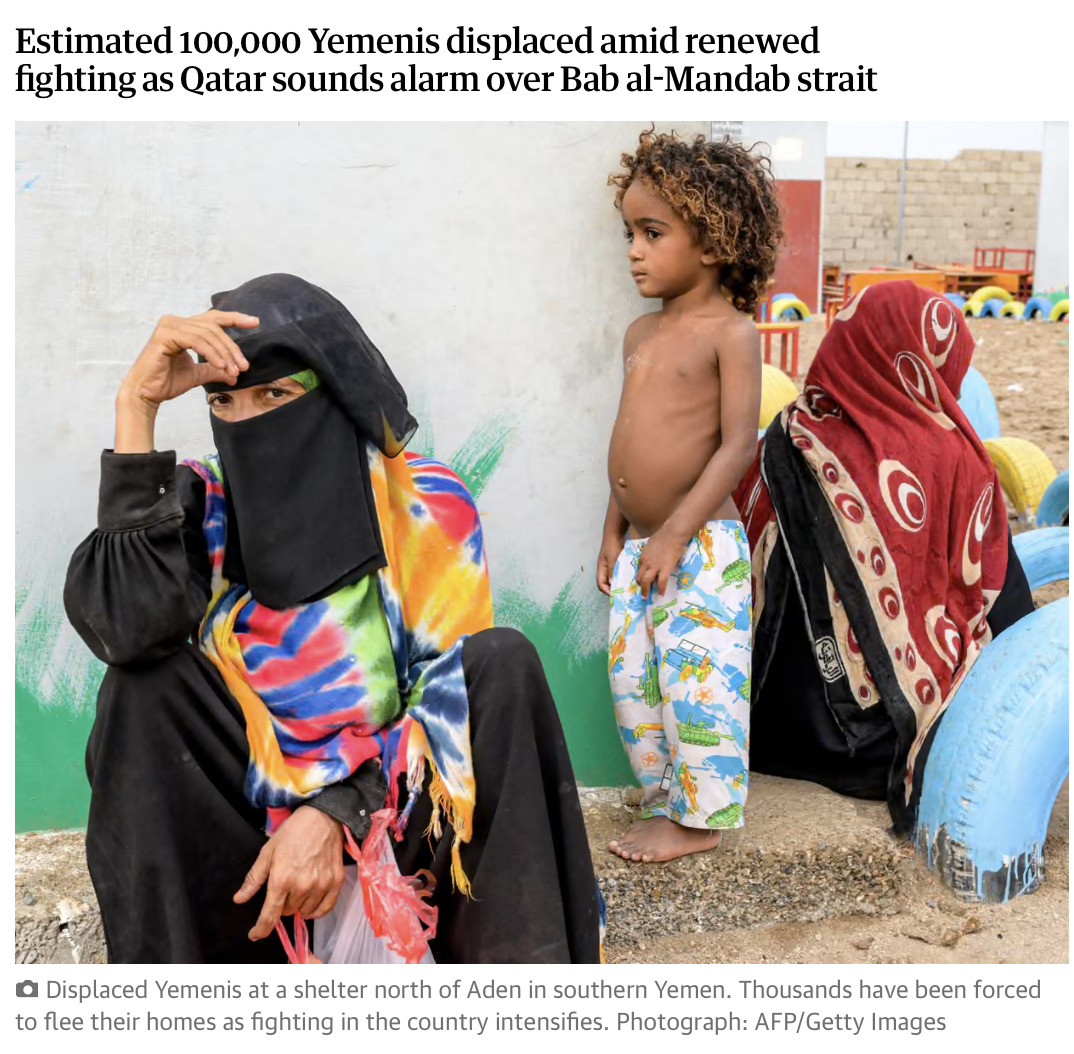
Like the inhabitants of a city destroyed in a superhero film, civilians demonstrate the scale of the event without becoming part of its central story.
Psychologists call part of this response psychic numbing. As the number of victims grows, our emotional response does not grow with it. One person can move us deeply. One hundred people do not produce one hundred times the concern. At some point, additional lives become almost invisible.
But perhaps the problem begins even before we encounter the numbers. Stories teach us where to look. They tell us who is a character and who is an extra, whose death changes the story and whose death is simply part of the scenery.
And outside the cinema, there are no extras.
Most of us will never be presidents, generals, superheroes, or villains. We are the people on the street, in the apartment building, at the hospital, on the bus, or taking our children to school when someone else’s conflict arrives.
We are all the extras in somebody else’s version of history. Recognizing that may be one way to resist the narratives that make ordinary lives disappear.