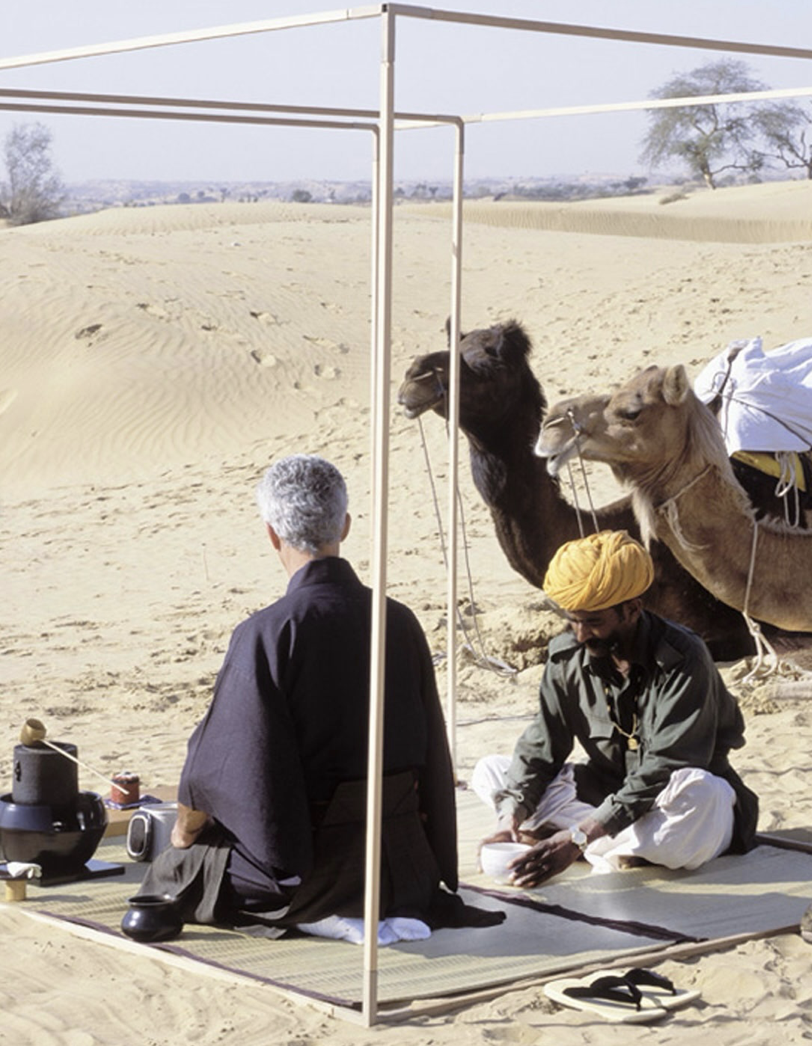
Tea Across Borders
We are increasingly surrounded by people who think like us, and even more distant from those who think differently.
Algorithms learn what we like and show us more of it, exposing us to information that often reinforces what we already believe. This can strengthen confirmation bias, make us less open to changing our minds, and reduce our opportunities to meet people whose backgrounds, experiences and ideals differ from our own.
That matters because our ability to care about other people is shaped not only by what we know about them, but also by whether we can recognize their own experiences as meaningful and relevant to our own lives.
At the Arithmetic of Compassion, we explore the psychological mechanisms that can make other people's suffering feel distant or abstract, and the ways we might overcome that divide.
Artist Pierre Sernet's Guerrilla Tea series offers a simple, tangible example of how we might connect across those differences.
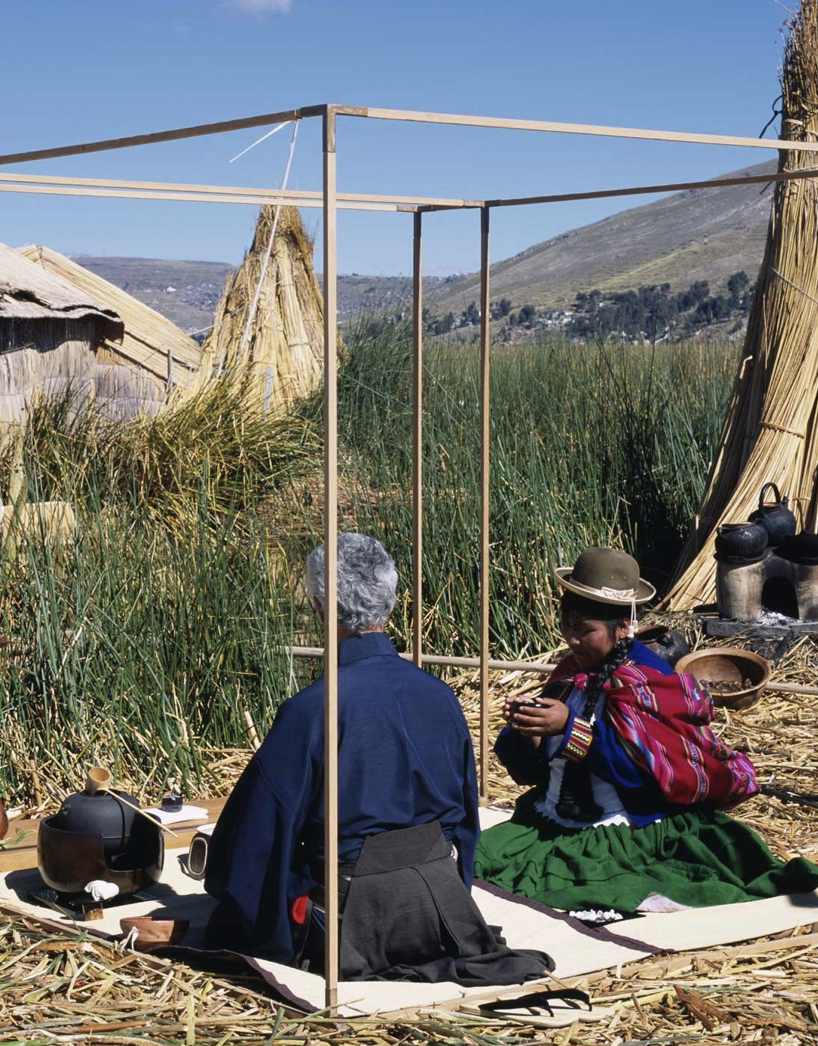
His idea was simple: create a space where strangers could sit together, wherever they happened to be.
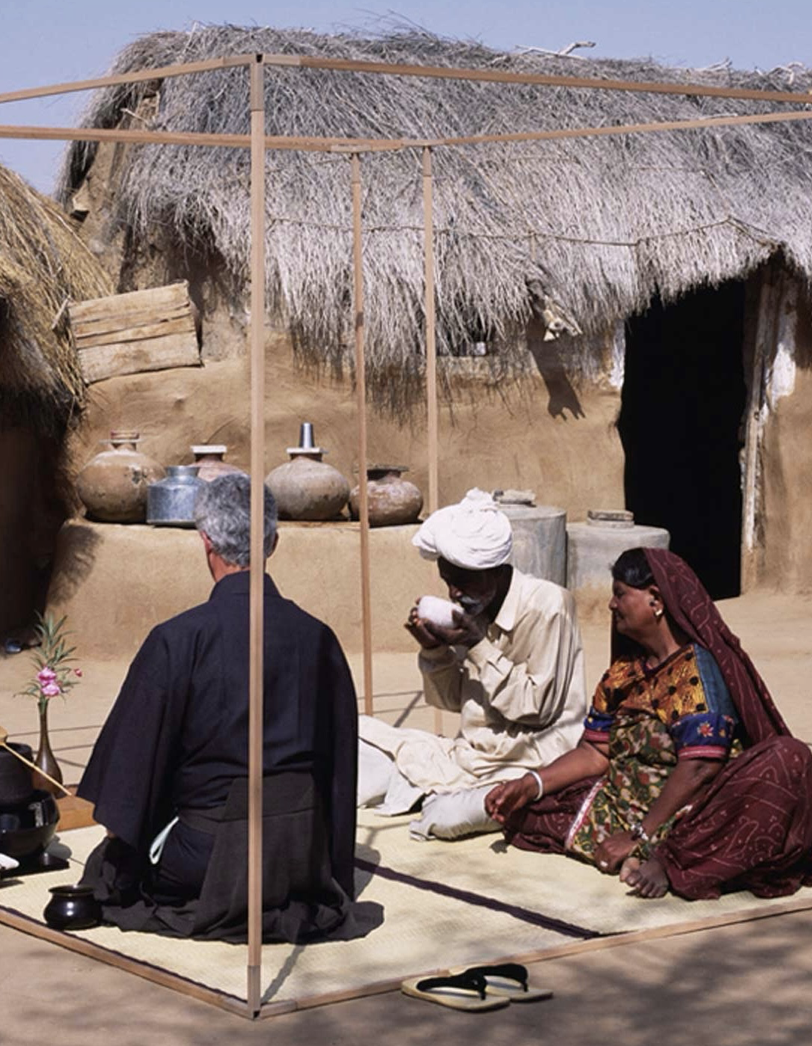
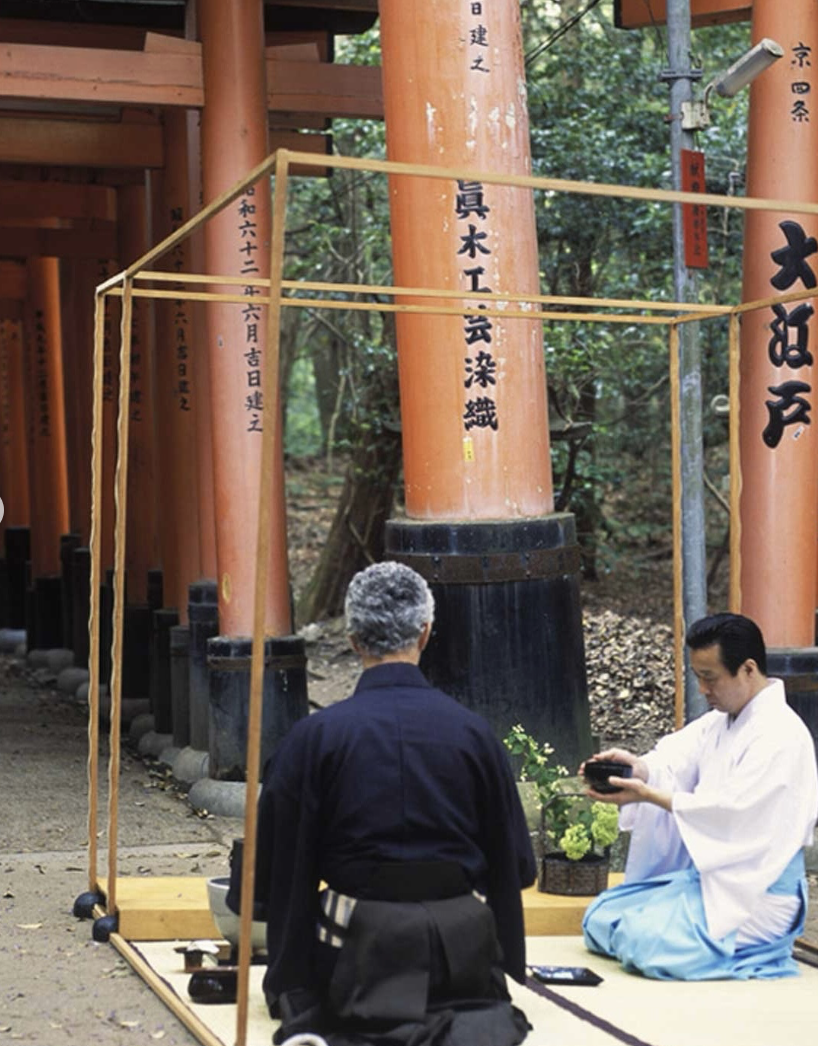
Using a portable wooden tea room and the rituals of the Japanese tea ceremony, Sernet travelled through more than 30 countries, setting up in deserts, villages, airports and city streets. He invited people he encountered to sit down and take part in the ceremony, turning unfamiliar places into temporary spaces for conversation and connection.
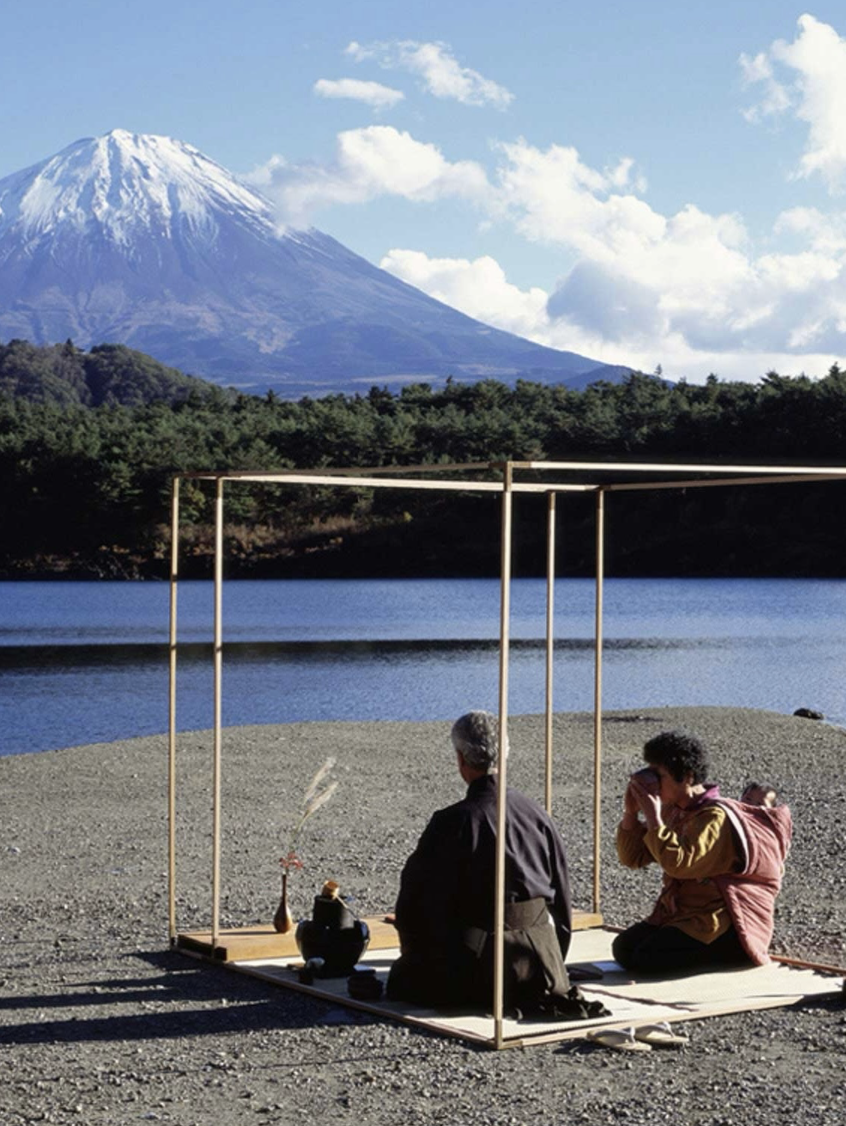
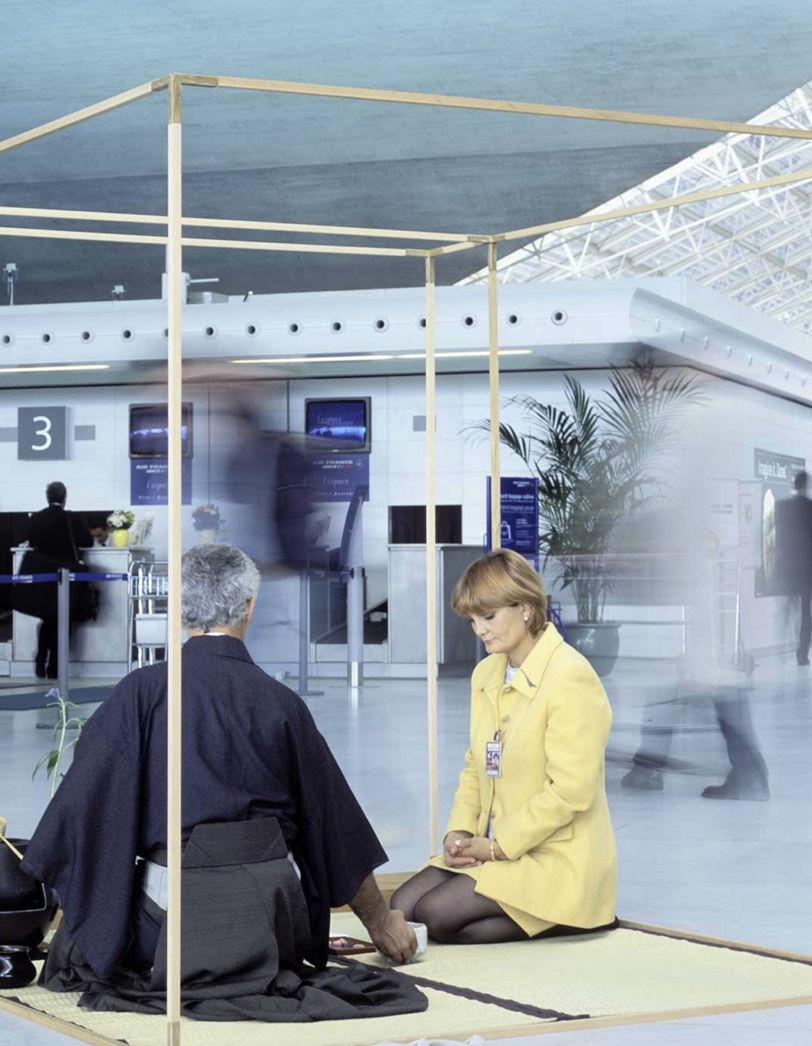
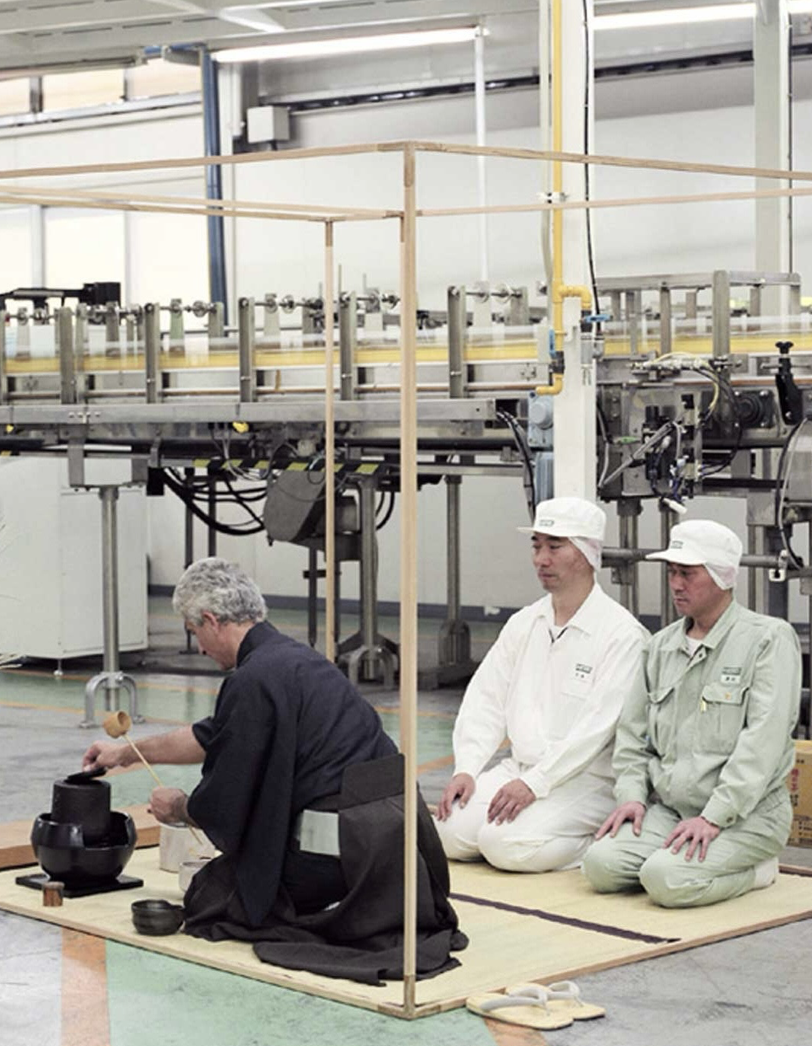
The project began with a concern about what Sernet saw as a growing erosion of respect for other people, cultures and ways of life at the beginning of the 21st century. Rather than talking about cultural differences from a distance, he used the tea ceremony as a way to encounter them directly.
Each meeting was photographed against its surrounding landscape, making the contrast part of the work: a centuries-old Japanese tradition appearing in places and communities far removed from Japan.
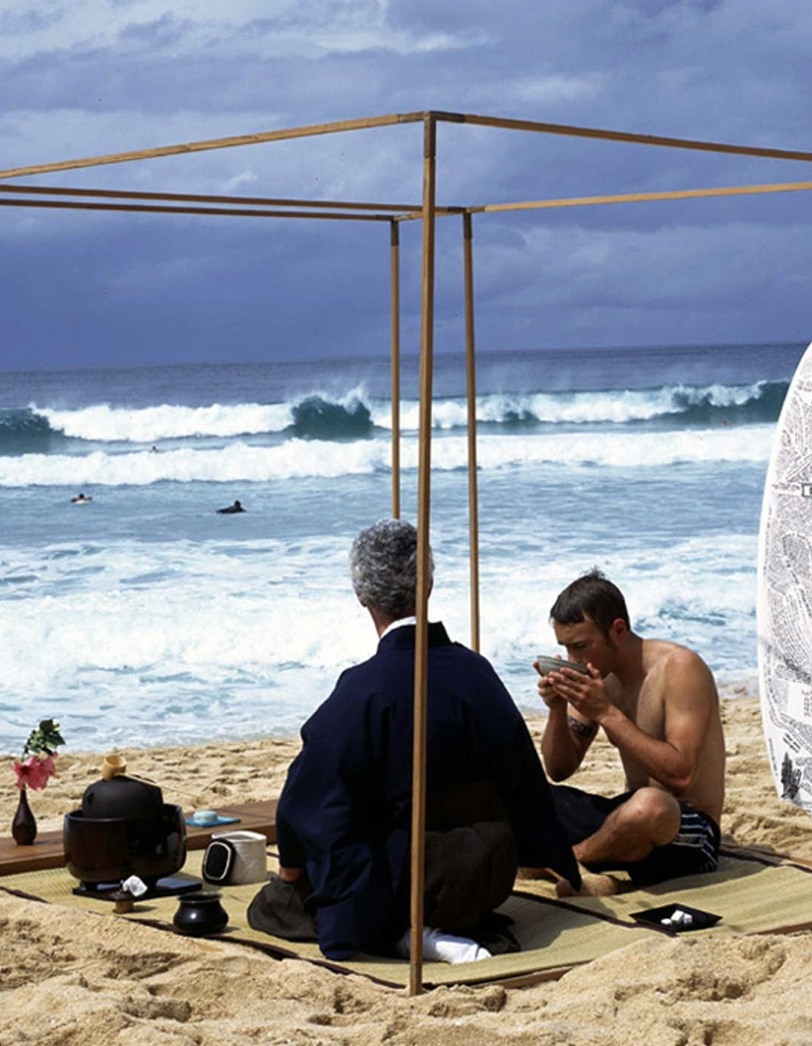
Sernet described the wooden cube as a symbolic space for exploring what people share across cultures and generations, with the aim of showing “the commonality of mankind throughout place and time.”
What happens when we make more room for people outside our own bubble?
A tea ceremony asks people to slow down, pay attention and share a moment.
We often talk about bridging differences in terms of changing minds.
But sometimes the first step is simpler: making space to sit with someone whose life, experiences or beliefs are different from our own.